Oil shock not temporary, ERIA study warns Cambodia, others
Oil shock not temporary, ERIA study warns Cambodia, others
The report frames the Strait of Hormuz disruption as a ‘stress test’ for ASEAN’s energy systems and warns that these combined pressures could lead to slower economic growth, inflation, and financial instability across the region.
A new report by the Jakarta-based Economic Research Institute for ASEAN and East Asia (ERIA) warns that the disruption of the Strait of Hormuz is not a temporary crisis but a systemic shock threatening Southeast Asia’s energy security and economic stability.
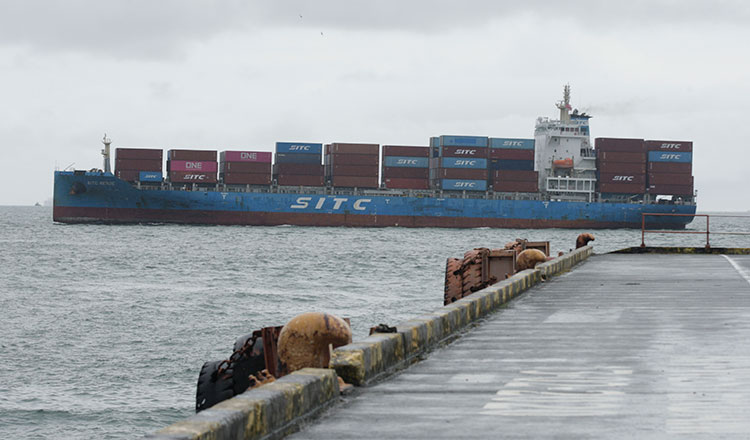
The ERIA issue paper describes the closure of the vital shipping route—through which roughly 20 percent of global oil flows—as a “structural rupture” in global energy trade.
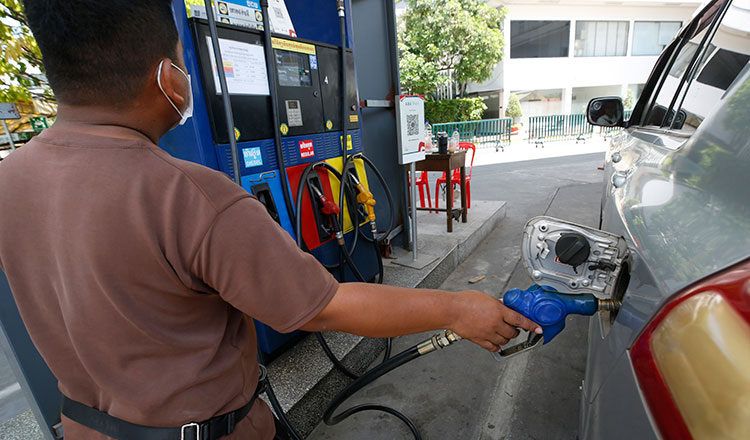
Since late February, commercial traffic through the strait has collapsed, with oil prices surging above $100 per barrel and global liquefied natural gas supplies dropping by around 20 percent. The report emphasises that the scale of disruption leaves little room for substitution, as no alternative routes or spare production capacity can fully compensate for the loss.
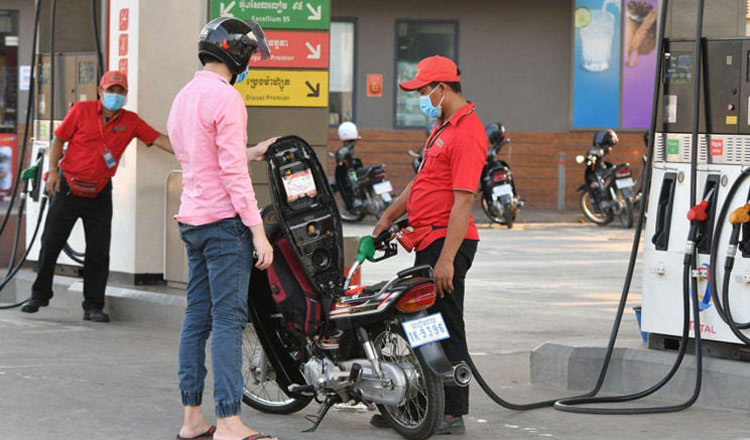
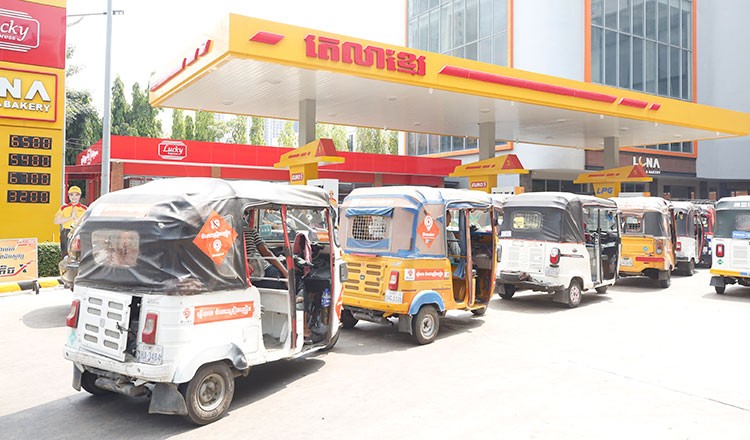
ASEAN countries, including Cambodia, are particularly exposed due to their heavy reliance on imported energy. The region imports about two-thirds of its crude oil, with some economies such as Cambodia, Singapore and the Philippines almost entirely dependent on external supplies. This dependence, combined with concentrated sourcing from the Middle East, makes ASEAN highly vulnerable to prolonged supply disruptions.
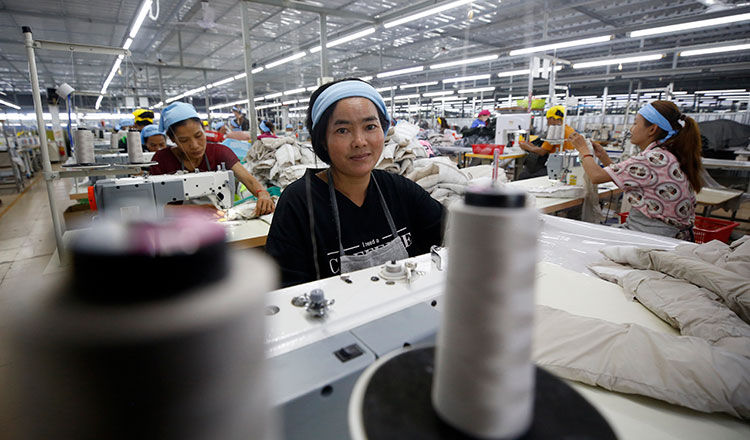
Beyond energy markets, the report highlights cascading impacts across key sectors. Rising fuel and transport costs are driving up prices in petrochemicals, manufacturing, and agriculture.
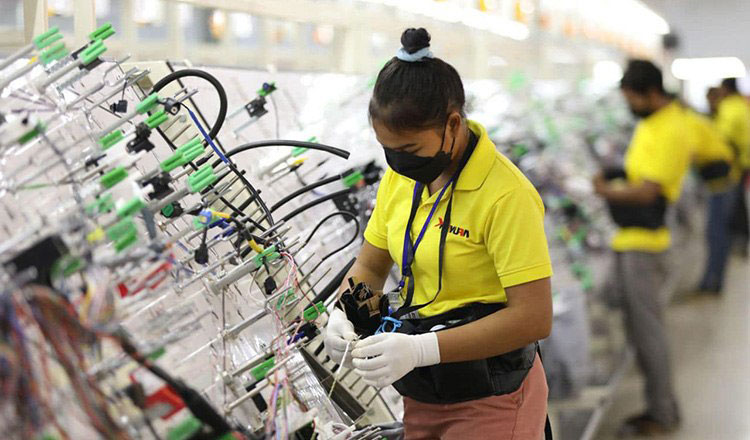
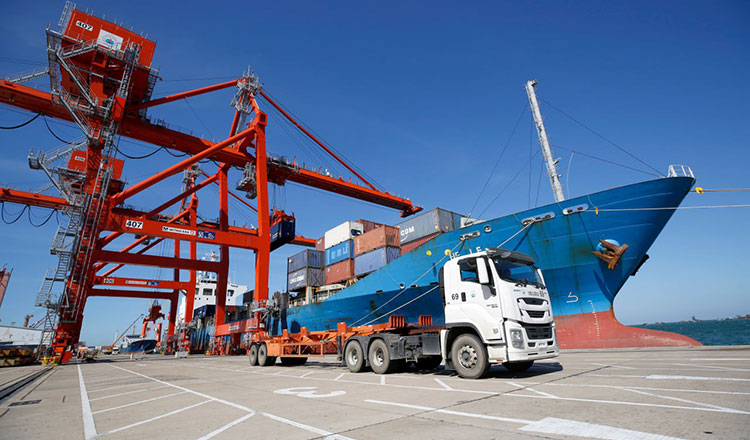
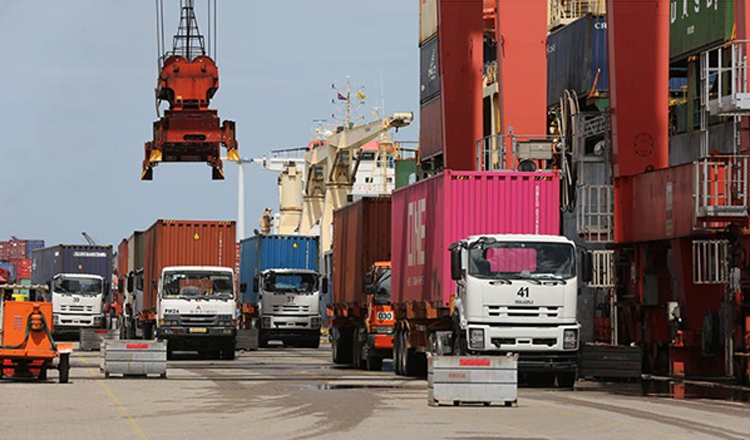
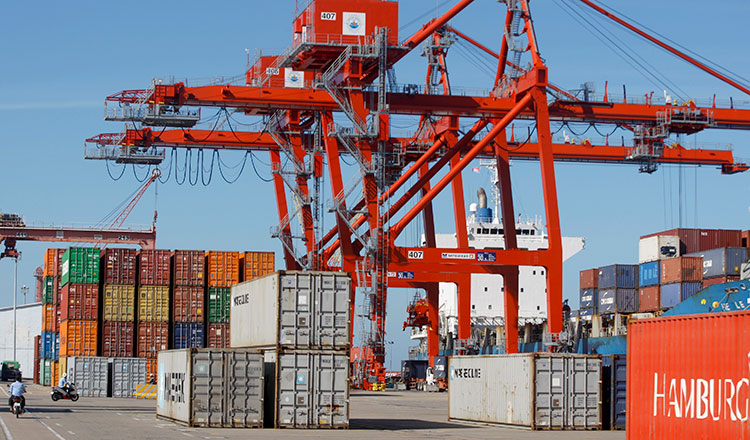
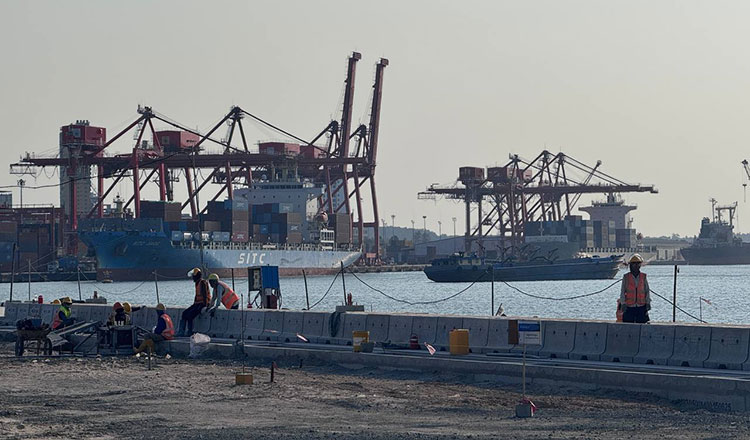
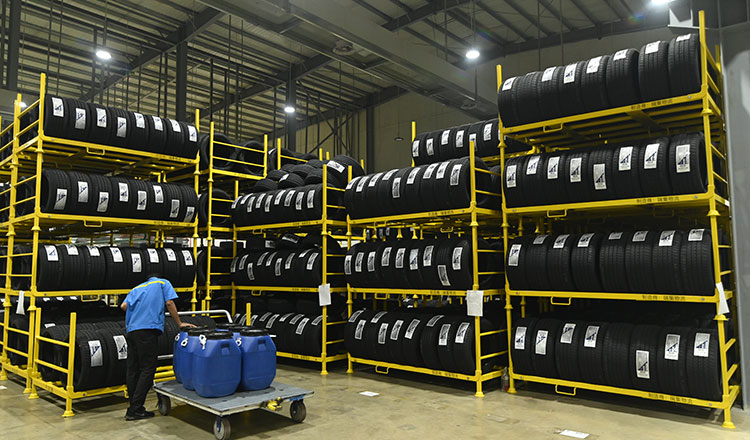
Fertiliser prices, for example, have surged sharply in recent months, increasing production costs for farmers and raising concerns about food security and inflation. Industrial sectors such as automotive and electronics are also facing supply shortages and higher input costs, while logistics disruptions have led to shipping delays and soaring freight rates.
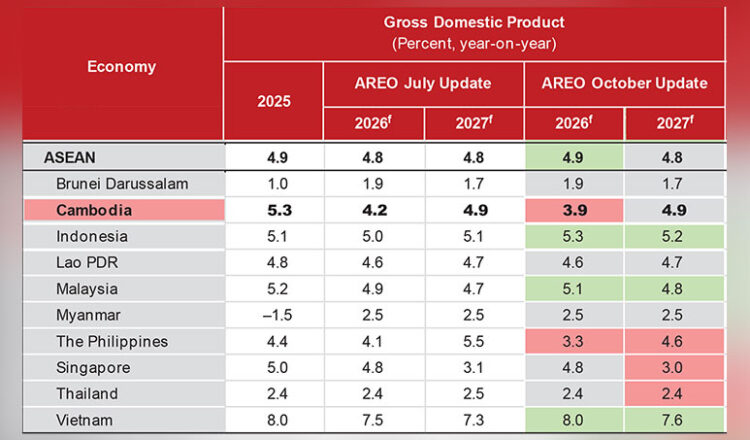
The report warns that these combined pressures could lead to slower economic growth, rising inflation, and financial instability across the region. Higher import bills are expected to widen current account deficits, while currency volatility and capital outflows may further strain economies. The situation also poses risks to migrant workers in the Middle East, potentially affecting remittances that many ASEAN households depend on.
A key finding of the report is that fragmented national responses are insufficient to address such a complex crisis. Instead, ERIA calls for stronger regional coordination, arguing that unilateral actions—such as stockpiling or subsidy policies—could worsen supply shortages and increase competition among countries.
To strengthen resilience, the report outlines several strategic recommendations. These include developing indigenous energy resources such as biofuels, expanding regional energy trade, and enhancing infrastructure through initiatives like the ASEAN Power Grid and Trans-ASEAN Gas Pipeline. It also calls for the creation of shared strategic reserves and coordinated stockpiling mechanisms to ensure more stable access to energy during crises.
In addition, ERIA stresses the importance of diversifying supply sources, accelerating renewable energy deployment, and improving energy efficiency. Strengthening supply chains for critical materials, digitalising logistics systems, and coordinating macroeconomic policies are also identified as essential steps.
Ultimately, the report frames the Hormuz disruption as a “stress test” for ASEAN’s economic and energy systems. It concludes that long-term resilience will depend on deeper regional integration, coordinated policymaking, and a shift toward a more secure and diversified energy architecture.
- 21:41 24/04/2026