Middle East tensions test resilience of Việt Nam’s agriculture sector
Middle East tensions test resilience of Việt Nam’s agriculture sector
Associations are encouraged to proactively gather and promptly report difficulties faced by businesses related to mechanisms, policies, administrative procedures, credit, taxation, logistics, and insurance.
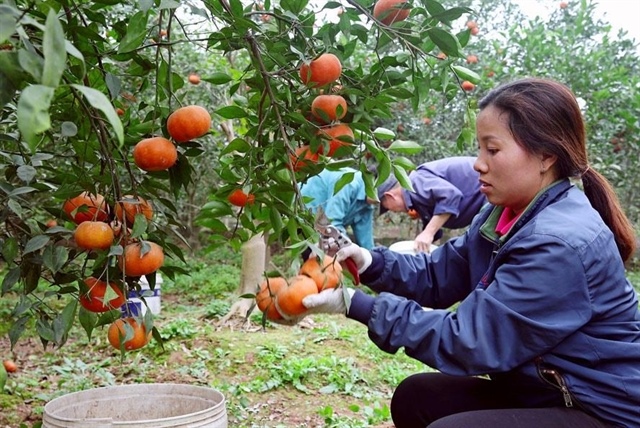
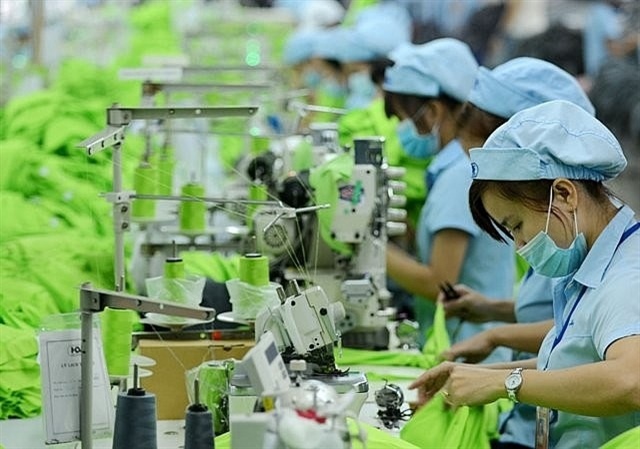
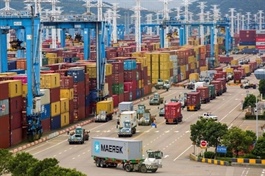
Escalating tensions in the Middle East are having negative impacts on the global economy, including Việt Nam. — Photo thuonghieusanpham.vn |
The challenges posed by the Middle East conflict are not only a shared difficulty but also a test of the resilience and adaptability of Việt Nam’s agriculture and environment sector.
This view was expressed by Minister of Agriculture and Environment Trần Đức Thắng in an open letter to the business community and industry associations in the sector, calling for proactive responses to global volatility to ensure this year’s growth targets are met.
Escalating tensions in the Middle East are negatively affecting the global economy, including Việt Nam, Thắng said.
The most immediate consequences include risks of supply chain disruptions, rising logistics costs, and increasing prices of input materials.
These factors directly affect production costs, business efficiency, and the competitiveness of Việt Nam’s agricultural products in international markets.
In this context, the Ministry of Agriculture and Environment (MAE) has identified key priorities, including stabilising production, ensuring the supply of inputs, reducing costs, and strengthening self-reliance. At the same time, the sector must maintain export chains and make effective use of natural resources such as land and minerals.
To respond proactively to these challenges, the minister called on businesses and industry associations to adapt flexibly to market fluctuations and share difficulties with producers, based on the principle of harmonised interests and shared risks.
A key solution highlighted is the stabilisation of input prices. The minister urged suppliers of agricultural inputs such as fertilisers, animal feed and plant protection products, along with logistics companies, to maintain or reduce prices while maximising capacity to ensure supply and support production.
At the same time, maintaining stable purchasing of agricultural products is considered crucial to protecting farmers. The minister encouraged businesses to increase purchasing, storage and processing during peak harvest periods to avoid the familiar scenario of “bumper crops but falling prices”, thereby boosting farmers’ confidence in production.
Another key direction is strengthening value chain linkages in agriculture. Minister Thắng called on businesses, cooperatives and farmers to enhance co-operation across the entire chain, from production to consumption, with a focus on sustainable contract farming models.
Amid ongoing challenges in international logistics, the domestic market continues to be seen as an important pillar. The ministry recommended that businesses boost domestic consumption, support the campaign “Vietnamese people prioritise using Vietnamese goods”, and flexibly adjust export plans to adapt to changing conditions.
Alongside consolidating the domestic market, the minister also emphasised the need to diversify export markets.
Businesses are encouraged to expand their presence in potential regions such as East Asia, South Asia, Europe, Africa and Latin America to reduce dependence on traditional markets and offset disruptions caused by conflict.
Effectively utilising free trade agreements, strengthening trade promotion, participating in trade fairs, and developing cross-border e-commerce are also identified as key measures to expand market access.
In addition, green transformation is seen as an inevitable trend. The Ministry of Agriculture and Environment (MAE) encourages businesses to adopt circular economy and low-carbon models, while meeting international standards to enhance the value and competitiveness of Vietnamese agricultural products.
In particular, adapting to new international regulations such as the EU Deforestation Regulation is highlighted as a way to strengthen the global positioning of Việt Nam’s agricultural brands.
In his letter, the minister also underlined the role of industry associations in connecting businesses with regulators.
Associations are encouraged to proactively gather and promptly report difficulties faced by businesses related to mechanisms, policies, administrative procedures, credit, taxation, logistics and insurance.
On that basis, MAE pledged to listen, address issues, and advise the Government on timely solutions, thereby creating more favourable conditions for business development.
- 16:31 21/03/2026