Việt Nam’s real estate credit hits $78b in Q4 2025 as central bank tightens oversight
Việt Nam’s real estate credit hits $78b in Q4 2025 as central bank tightens oversight
The Ministry of Construction said real estate credit increased steadily throughout 2025 across housing, office leasing and industrial property, climbing from more than VNĐ1.56 quadrillion in the first quarter to around VNĐ2 quadrillion by year-end.
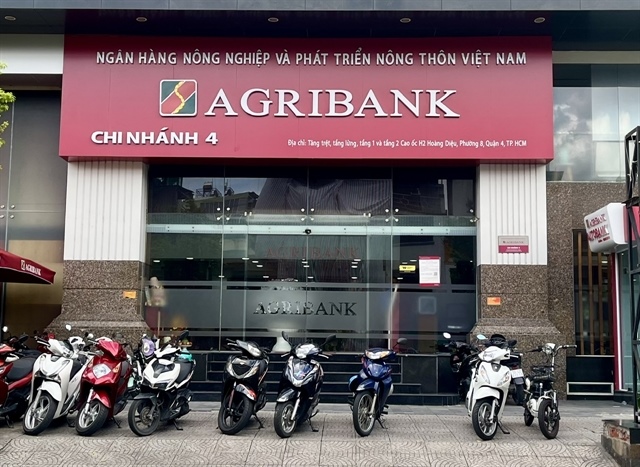
A branch of state-owned lender Agribank in HCM City. The government plans tighter oversight of real estate credit after outstanding loans hit US$78.5 billion in Q4 2025. — VNS Photo Bồ Xuân Hiệp |
Outstanding credit for real estate in Việt Nam rose to about VNĐ2 quadrillion (US$78.5 billion) in the fourth quarter of 2025, up nearly 28 per cent from a year earlier, as lending rebounded sharply and regulators moved to rein in risks, official data showed.
The Ministry of Construction said real estate credit increased steadily throughout 2025 across housing, office leasing and industrial property, climbing from more than VNĐ1.56 quadrillion in the first quarter to around VNĐ2 quadrillion by year-end.
Loans for urban development and housing projects remained the largest component, rising from VNĐ481 trillion in Q1 to VNĐ628.7 trillion in Q4.
Credit for real estate investment and business activities also grew strongly, from VNĐ506.4 trillion to VNĐ673.4 trillion.
Authorities said the rebound reflected progress in resolving legal bottlenecks for property projects, allowing capital to flow back into end-user housing and urban development.
At the system level, risks have increased.
Vietcombank Securities said that by the end of August 2025, outstanding loans linked to real estate, including home purchases and property-related business, exceeded VNĐ4 quadrillion, accounting for about 24 per cent of total credit.
Lending to developers expanded far faster than loans to individual homebuyers, it added.
Tightened supervision
In response, the State Bank of Vietnam (SBV) has tightened supervision of property lending in 2026.
Under guidance setting an overall credit growth target of about 15 per cent, banks have been instructed to ensure that growth in real estate credit does not exceed their total credit ceilings.
The central bank said lending would be prioritised for projects with full legal status, reputable developers, social housing and genuine housing demand, while credit to speculative projects with a high risk of bad debt would be strictly limited.
Prime Minister Phạm Minh Chính has also called for tighter control of speculative capital flows to prevent market distortions and safeguard financial stability.
Analysts say the measures are aimed at containing systemic risks rather than restricting the sector outright, with capital expected to become more selective while remaining available for transparent projects and end-user housing.
- 07:07 21/01/2026