SBV withdraws $4.4 billion from the market in past week
SBV withdraws $4.4 billion from the market in past week
The State Bank of Vietnam (SBV) has withdrawn a net amount of VNĐ116.65 trillion (US$4.4 billion) from the interbank market over the past seven consecutive days, from March 4 to March 12, signalling a surplus of liquidity in the banking system.
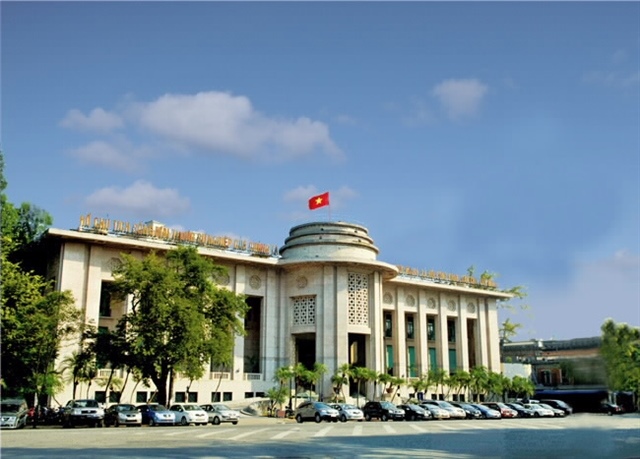
The headquarters of the State Bank of Vietnam. On March 9 alone, the SBV’s net withdrawal reached nearly VNĐ36.26 trillion, the highest level in the past 1.5 years. — Photo sbv.gov.vn |
On March 9 alone, the SBV’s net withdrawal reached nearly VNĐ36.3 trillion, the highest level in the past 1.5 years. The SBV’s record net withdrawal was set on June 6, 2024, when it hit over VNĐ43.3 trillion.
Thanks to abundant liquidity, the Vietnamese đồng average overnight interest rate in the interbank market is showing signs of cooling down. On March 2, the interbank interest rate unexpectedly surged to 10.21 per cent per year, but then reversed course. It currently sits at 4.56 per cent per year.
In early February, the money market experienced a rare surge in VNĐ interest rates in the interbank market, particularly for the short term. The peak of the surge was seen on February 3, with the overnight interbank interest rate soaring to 16.39 per cent per year.
To support the đồng's liquidity in the banking system, the SBV conducted a series of strong net injections, contributing to cooling down the interbank market. A net amount of over VNĐ162 trillion was injected into the market by the SBV during the first two weeks of February.
At that time, the SBV also reactivated a foreign exchange swap instrument to support liquidity in the banking system.
As liquidity becomes more stable, the central bank is implementing measures to recover its large net injections previously pumped into the market.
Analysts from MB Securities Company attributed the surge in interbank interest rates to increased liquidity pressure due to seasonal factors, with high demand for payments during the Lunar New Year period, coupled with banks pushing credit in January to compensate for shortfalls in February due to the holiday.
According to data from the SBV, as of February 26, total outstanding loans in the banking system were estimated to have increased by approximately 1.4 per cent compared to the end of 2025, nearly double the increase in the same period last year.
This also coincides with the peak period for businesses to fulfil their tax obligations, thus also contributing to a decrease in liquidity for the banking system.
- 15:13 13/03/2026