Việt Nam's medicinal herb exports face quality, regulatory hurdles
Việt Nam's medicinal herb exports face quality, regulatory hurdles
Developing high-value medicinal plants, improving raw material quality and expanding processing capacity are key to boosting the sector’s competitiveness.
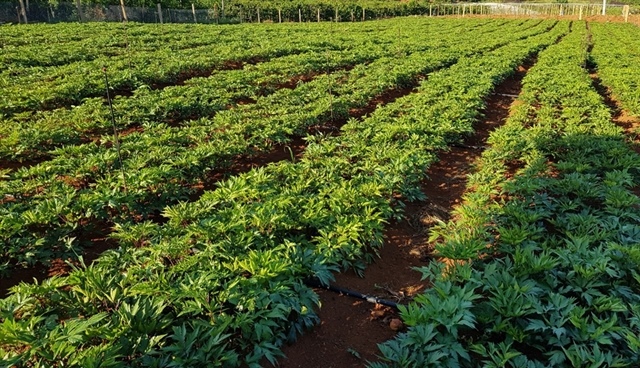
A medicinal herb garden in Gia Lai Province.— Photo thiennhienmoitruong.vn |
Việt Nam’s medicinal herb sector has significant potential but has yet to translate its natural advantages into higher export value, with fragmented production, quality standards and stringent import regulations limiting market access, industry officials say.
Developing high-value medicinal plants, improving raw material quality and expanding processing capacity are key to boosting the sector’s competitiveness, they say.
Shifting towards higher-value crops
Đoàn Ngọc Có, deputy director of the Gia Lai Department of Agriculture and Environment, said high-tech agriculture could improve productivity, product quality and economic returns per unit of cultivated land.
The Central Highlands region, with its extensive land resources and favourable climate, was well positioned to develop large-scale, high-tech agricultural production zones, including areas dedicated to medicinal herbs.
However, high initial investment costs, fragmented production and limited access to technology remained major obstacles for farmers, cooperatives and businesses, Có told thoibaonganhang.vn.
The sector needed to move beyond expanding cultivation areas towards selecting suitable crops, improving raw material quality and aligning production with market demand, as international competitiveness increasingly depends on quality, safety and traceability.
Nguyễn Quốc Mạnh, deputy director of the Plant Production and Protection Department under the Ministry of Agriculture and Environment, said medicinal plants had considerable development potential, but their economic returns and export value remained below expectations.
Việt Nam’s medicinal plant cultivation area declined in 2025 from the previous year, mainly due to a reduction in star anise cultivation, according to Mạnh.
Of the approximately 92,000ha devoted to medicinal plants nationwide, star anise accounts for about 44,000ha. Meanwhile, the area under ginseng cultivation has doubled, reflecting a shift towards higher-value crops.
The figures underscore the need for a development strategy that goes beyond cultivation scale to encompass crop selection, the establishment of raw material production zones and stable market outlets.
Consistent raw material quality and reliable supply are particularly important for developing processed medicinal products.
Regulatory barriers limit export opportunities
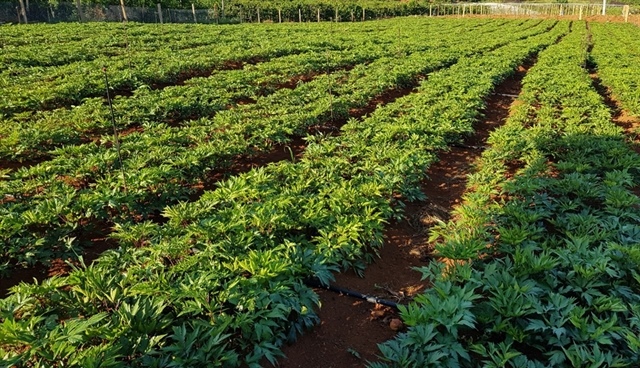
A medicinal herb garden in Gia Lai Province.— Photo thiennhienmoitruong.vn |
The sector must also address increasingly stringent requirements in importing countries covering product quality, food safety, quarantine and traceability.
Meeting export standards needs to be incorporated from the early stages of product development, raw material selection and production planning, rather than treated as a final requirement before shipment.
Weak coordination among growers, processing facilities and exporters can make it difficult to demonstrate product origin and comply with technical requirements, creating additional barriers to market access.
Ngô Xuân Nam, deputy director of the Ministry of Agriculture and Environment's SPS Vietnam Office, said products derived from medicinal herbs, particularly health supplements, must comply with strict food safety, quarantine and technical regulations in importing markets.
China illustrated the challenges facing the sector. Although the market had opened to a wide range of Vietnamese agricultural products and processed foods, Vietnamese products derived from medicinal ingredients had yet to fully capitalise on the opportunities.
Of more than 4,000 Vietnamese agricultural and aquatic products and processing facilities approved by China, none were processed medicinal products under the jurisdiction of Vietnam Food Administration, which is part of the Ministry of Health, Nam told thoibaonganhang.vn.
The gap highlighted the need for exporters to distinguish between regulatory requirements for different product categories, identify the relevant authorities and prepare the necessary documentation before entering overseas markets.
Meanwhile, Việt Nam has signed 18 free trade agreements (FTAs), including several next-generation pacts, offering tariff advantages and improved market access, with the total number expected to exceed 20 in the near future, expanding export opportunities for agricultural and food products across more than 60 key markets.
However, the medicinal plant and herbal product sector has yet to fully capitalise on these benefits, particularly as importing countries tighten technical requirements.
Nam said businesses should research the regulations of target markets and work with relevant authorities from the product development stage.
Companies planning to produce beer infused with medicinal herbs, for example, could consult the Ministry of Industry and Trade's Industry Agency for market information and guidance on applicable regulations.
Producers of fresh medicinal plants, raw materials and health supplements could seek support from specialised agencies under the ministries of agriculture, health and industry and trade. Identifying the appropriate regulatory authority early could help businesses reduce the risk of delays or other obstacles when entering overseas markets, Nam said.
Nam said that businesses, cooperatives and producers could contact their local agriculture department or the SPS Vietnam Office for updates on import requirements, pesticide residue limits and other relevant regulations.
According to Nam, his office will continue working with specialised agencies to help businesses comply with the requirements of their target markets, adding that the support network should be used more effectively to ensure producers obtain accurate information and prepare to meet standards from the outset.
- 08:51 09/11/2026