Early planning keeps sustainable industrial park costs down
Early planning keeps sustainable industrial park costs down
Sustainable development does not increase the cost of industrial park construction if it is integrated from the planning stage, according to Prescott Gaylord, head of sustainability for contract logistics in Asia-Pacific at DSV.
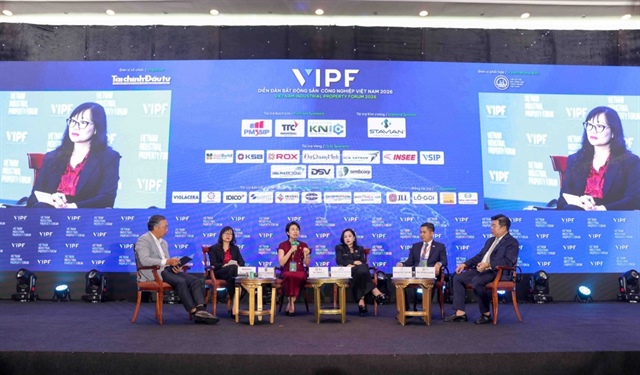
Speaking at VIPF 2026 in Ho Chi Minh City on September 29, Gaylord said industrial parks should be designed for multiple generations of businesses while extending their value to the community. He emphasised that adaptability will be a key factor for industrial parks in the future.
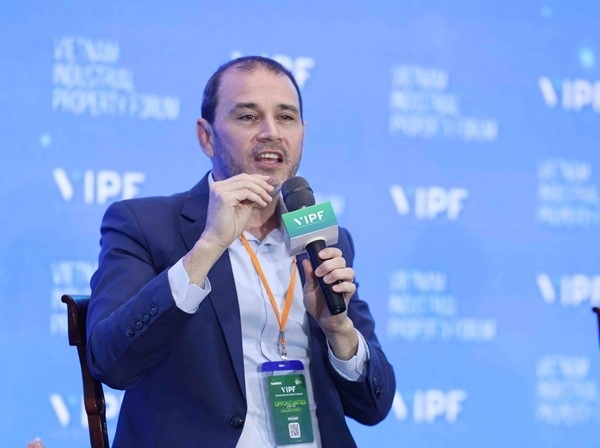
Prescott Gaylord, head of sustainability for contract logistics in Asia-Pacific for DSV. Photo: Le Toan |
"Manufacturers are seeking to decarbonise their supply chains by transitioning to electric trucks, which requires charging infrastructure," he said. "If industrial parks are designed to meet today's standards, they will provide only the minimum level of infrastructure. Conversely, an eco-industrial park designed to the highest standards would be ready to accommodate data centre enterprises or next-generation battery technology companies."
According to Gaylord, the fundamental difference lies in designing for 10, 50 or even 100 years. In other words, it means serving three to four generations of businesses with future needs that cannot yet be anticipated. Rather than pursuing Gold or Platinum certifications, developers should ask themselves, “What will make the world a better place?”
“Attention should be paid to water circulation cycle, optimising renewable energy beyond the national average, constructing energy-efficient, effectively shielded buildings. When baseline energy consumption is extremely low, any industry in the industrial park can operate more sustainably,” Gaylord noted.
Regarding the challenges of turning strategy into action, Gaylord recalled lessons from the 2008 US financial crisis. When stimulus packages were being implemented for 'shovel-ready' projects, the US Environmental Protection Agency asked developers whether meeting LEED standards would increase their budgets.
Most developers said they could build the same floor area to LEED standards without incurring additional costs. The reason they hadn't proposed it earlier is simple: no one had ever asked for it.
“The barrier to eco-design is not cost, but the fact that we do not think sustainably from the beginning,” he explained.
Regarding data and AI, Gaylord believes it is essential to avoid having sustainability experts spend all their time manually collecting data and compiling reports. Data should help identify waste and facilitate better decision-making.
“Operational excellence means using fewer resources to create greater value, which is also the definition of sustainable development,” Gaylord said. “Companies should not hire sustainability experts merely to produce reports. Instead, they should task them with solving real operational challenges.”
With a 100- to 150-year vision, he proposes extending industrial symbiosis beyond the factory fence, connecting with the natural ecosystem and surrounding communities.
Industrial parks need to respect natural water cycles and preserve the vitality of surrounding ecosystems. For local communities, security barriers should not cut off pedestrian routes or traditional livelihoods. Safe, community-integrated pathways can help industrial parks become more resilient and sustainable over the long term.
Gaylord also recommends that businesses develop sustainability roadmaps that stay ahead of customer expectations, enabling them to proactively offer green solutions rather than merely responding to demands.
- 10:46 30/09/2026