Planning, infrastructure, and data reshape property market's next growth cycle
Planning, infrastructure, and data reshape property market's next growth cycle
Vietnam's real estate market is being reshaped by three key trends: planning and infrastructure development, greater market transparency, and an increasingly pronounced divergence across property segments.
According to Dinh Minh Tuan, southern regional director of batdongsan.vn, planning and infrastructure, data transparency, and market segmentation are redefining the country's property landscape.
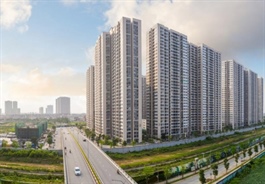
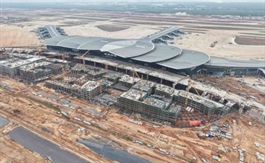
The first and most significant trend is the growing role of planning and infrastructure investment, which is reshaping both housing supply and investment capital flows. In Hanoi and Ho Chi Minh City, long-term urban planning, together with major transport projects, such as metro lines, ring roads, and inter-regional expressways, is expanding urban development space and shifting new housing supply away from city centres towards satellite urban areas and emerging growth corridors.
A survey conducted by the website found 67 per cent of respondents believe urban planning has a significant or very significant impact on the property market. This suggests that planning is no longer merely a reference point but has become a key factor guiding decisions by homebuyers, investors, and developers.
The second major trend is the accelerating drive towards greater market transparency. Initiatives such as the development of a national land database, the standardisation of property transactions, broker identification and licensing, and plans to establish a centralised property exchange are laying the groundwork for a more professional and transparent market.
While these reforms have yet to produce an immediate impact on market liquidity, they are expected to reduce information asymmetry, curb speculation driven by rumours, and improve transaction quality over the longer term.
The third trend is the increasingly clear divergence across property segments and individual projects. Whereas the market saw broad-based price increases during 2021–2022, by 2026 it has entered a much more selective phase, with stronger differentiation between asset classes and developments.
Data from batdongsan.vn for the second quarter shows that apartments accounted for 37 per cent of total buyer interest in properties for sale, well ahead of residential land plots at 23 per cent and private houses at 22 per cent. Shophouses and villas each attracted only around 9 per cent of total interest.
“The divergence is becoming increasingly evident even within the same property segment. Projects with clear legal status, prime locations, strong transport connectivity, and comprehensive amenities continue to attract strong demand, while developments in more remote areas with limited infrastructure or without established residential communities are finding it more difficult to attract buyers,” Tuan said at the Vietnam Real Estate Market Overview for the First Half conference, held in Ho Chi Minh City on July 14.
A similar pattern, Tuan added, is emerging in the land plot segment. Residential land in areas supported by clear planning, existing infrastructure, and genuine residential demand continues to see stable interest, whereas locations where prices had been driven mainly by speculative expectations are beginning to lose momentum.
Meanwhile, Nguyen Quoc Anh, deputy CEO of batdongsan.vn, told VIR that Vietnam's property market was entering a fundamentally different phase from previous cycles.
“The introduction of unique property identification codes, the development of a transaction database, and plans to establish a centralised property exchange will significantly improve market transparency. As a result, property valuation and brokerage services will increasingly need to be based on an asset's cash-flow potential and intrinsic value rather than expectations of future price appreciation,” Anh said.
At the same time, Anh added that the ongoing administrative restructuring is creating greater divergence among local markets. Following the mergers, development resources are becoming increasingly concentrated in major growth centres, while many smaller localities are losing some of their previous appeal.
Within individual cities, areas developed under the transit-oriented development model, particularly those served by metro lines and ring roads, are expected to enjoy a competitive advantage thanks to stronger connectivity and the emergence of more integrated urban ecosystems.
Notably, buyers are also becoming more selective in their investment criteria. Rather than focusing solely on capital gains, they are placing greater emphasis on cash-flow generation, liquidity, and holding costs, particularly amid discussions of potential future tax policies affecting real estate.
According to Anh, as the market becomes increasingly transparent, vacant properties and assets held primarily for speculative purposes will come under greater pressure, forcing investors to focus on income-generating efficiency rather than relying solely on capital appreciation.
"Over the next five to 10 years, real estate will become an increasingly knowledge- and data-driven industry, requiring a much higher level of professionalism from all market participants, including developers, brokers, and buyers," Anh said.
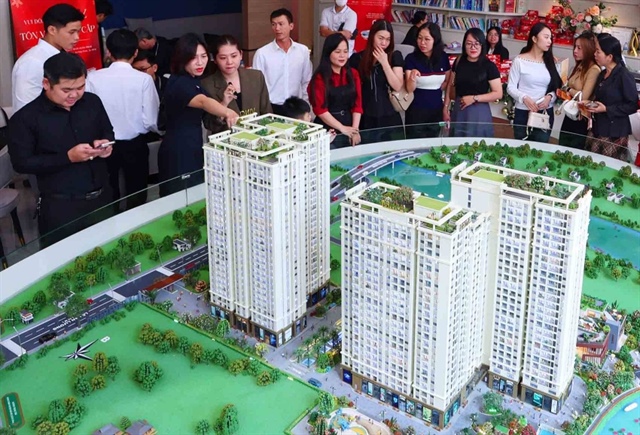
Projects with clear legal status, strategic locations, strong infrastructure connectivity, and comprehensive amenities continue to attract demand. Photo: Le Toan |
- 08:18 17/07/2026