Việt Nam restricts domestic access in pilot crypto market
Việt Nam restricts domestic access in pilot crypto market
The approach is intended to limit risks during the initial stage of market operations while still attracting international capital flows.
Foreign investors at the Hanoi Stock Exchange's building. — Photo courtesy of the HNX |
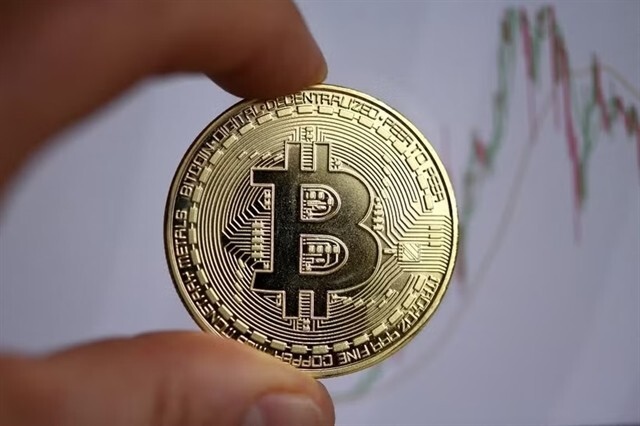
Vietnamese investors will only be allowed to participate in the country's pilot digital asset market if they already own crypto assets, while foreign investors will be permitted to trade normally on licensed platforms, according to officials from the State Securities Commission of Vietnam (SSC).
The approach is intended to limit risks during the initial stage of market operations while still attracting international capital flows.
Tô Trần Hòa, deputy head of the Standing Board for the Crypto Asset Market Supervision Department under the SSC, said the guiding principle for the market would be 'open but controlled'.
This is a new field with many potential risks, so implementation must be gradual, cautious and accompanied by continuous policy improvements during the operational process, Hòa said, adding that Việt Nam has introduced a series of important legal documents for the sector since September 2025.
The current legal framework includes Resolution No. 05/2025/NQ-CP on the pilot digital asset market, the Law on Digital Technology Industry, the Investment Law and three Ministry of Finance circulars governing accounting, auditing and taxation for market participants.
Hòa noted that the Law on Digital Technology Industry marks the first time that digital assets, crypto assets and virtual assets have been formally defined in Việt Nam's legal system and recognised as assets under the Civil Code.
He described the move as an important legal foundation for protecting the legitimate ownership rights of individuals and businesses while creating the basis for developing an appropriate regulatory framework for the new asset class.
Current policies pursue four main objectives: establishing a legal framework for digital assets, attracting international investment, strengthening anti-money laundering measures and complying with international standards set by organisations such as the Financial Action Task Force (FATF), the Financial Stability Board (FSB) and the International Organisation of Securities Commissions (IOSCO).
One of the most closely watched issues concerns licensing requirements for virtual asset service providers (VASPs).
Under current regulations, operators must be Vietnamese enterprises with a minimum charter capital of VNĐ10 trillion (US$380 million). Their shareholder structures must include reputable financial institutions such as commercial banks, securities companies or technology firms with sufficient capabilities.
These entities are also required to locate their servers in Việt Nam, meet Level-4 information security standards and employ personnel holding professional information technology and security practice certificates.
Regarding issuance activities, the underlying assets must consist of real assets that have been audited and valued. Securities and fiat currencies are excluded from the list of eligible underlying assets.
Depending on whether the underlying assets involve real estate, commodities or infrastructure projects, issuers are required to obtain opinions from the relevant sector regulators.
Hòa said Vietnamese companies established under the Enterprise Law are permitted to issue crypto assets to facilitate capital mobilisation from overseas investors into Việt Nam.
Foreign investors at the Hanoi Stock Exchange's building. — Photo courtesy of the HNX |
Foreign investors at the Hanoi Stock Exchange's building. — Photo courtesy of the HNX
A notable feature of the pilot programme is that foreign investors will be allowed to participate in domestic crypto asset issuances, while domestic investors are currently limited to those who already own crypto assets.
All secondary market transactions must be conducted through licensed virtual asset service providers.
Under the regulations, all listing and trading activities must be denominated in Vietnamese đồng.
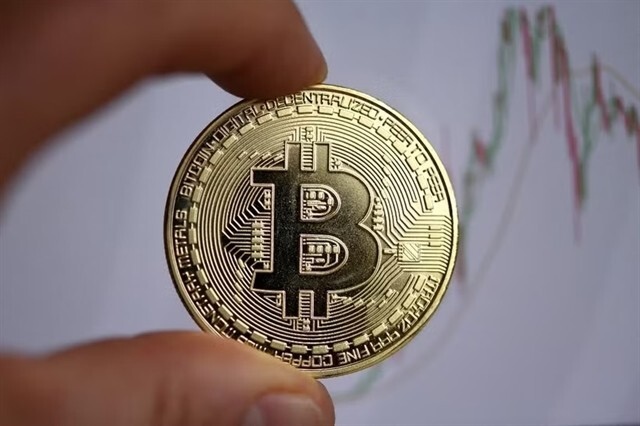
Hòa said even widely traded digital assets such as Bitcoin, Ethereum and foreign currency-pegged stablecoins, including USDT and USDC, will be listed and traded in Vietnamese đồng to ensure effective supervision, tax management and anti-money laundering compliance.
Regarding the implementation roadmap, Hòa said that six months after the first licensed digital asset service provider begins operations, domestic investors will be allowed to conduct transactions through licensed platforms in Việt Nam.
However, investors will not be required to transfer existing crypto assets to those platforms. Assets may continue to be stored in personal wallets, but any buying or selling activities must be carried out through licensed operators.
To date, the SSC has received eight applications for pilot crypto exchanges. Following the assessment process, five companies have been informed that they meet conditions necessary to proceed with capital contributions and infrastructure preparations.
Bùi Hoàng Hải, vice chairman of the SSC, said the companies are actively investing in technology infrastructure, strengthening governance systems and seeking experienced international partners.
However, he noted that the official launch schedule for the exchanges will depend on their ability to satisfy technical, financial and system safety requirements.
From a risk management perspective, regulators have established seven guiding principles for the market's development, including phased implementation, compliance with Vietnamese laws and international commitments, ensuring financial system security, strengthening anti-money laundering efforts, maintaining transparency, requiring transactions in Vietnamese đồng and protecting investors' legitimate rights and interests.
According to experts, the development of a digital asset market is aimed not only at creating a new investment channel but also at promoting the digital economy, modernising the capital market and enhancing Việt Nam's ability to attract international capital flows.
If the pilot programme is implemented effectively, Việt Nam could gradually establish a transparent and secure digital asset market with stronger regional competitiveness in the coming years.
- 09:00 19/06/2026