Vietnam urged to shift from sourcing base to food hub
Vietnam urged to shift from sourcing base to food hub
Vietnam should offer more policies to encourage a new generation of foreign investment in agriculture and food, including sourcing, processing, technology, traceability, and quality standards, according to an executive at Olam Food Ingredients (OFI) Vietnam.
|
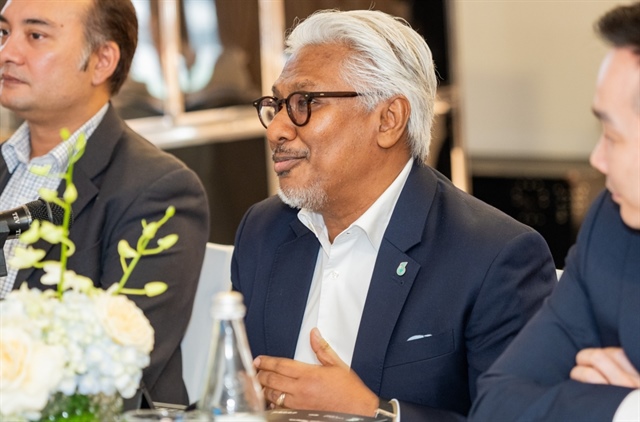
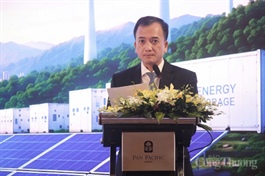
Midhun Pachayil, vice president and business head of Soluble Coffee at OFI Vietnam, made the remarks at a working session during the 2026 Vietnam Connect Forum on May 13.
According to OFI Vietnam, foreign direct investment (FDI) contributes more than 70 per cent of Vietnam’s total export value and remains one of the key drivers of growth, job creation, and global integration. In the past, Vietnam’s key advantages were competitive costs, a strong workforce, and a stable investment environment.
Going forward, regional competition will increasingly depend on the quality of the industrial ecosystem, supply chain integration, and the ability to create higher value within the local economy. This is especially true for agriculture and food. Global customers are no longer looking only at competitive pricing. They also expect stable quality at scale, full traceability, sustainability compliance, and consistency across global supply chains.
Vietnam already has a strong position in many agricultural products such as coffee, rubber, tea, rice, fruit and vegetables, cashew nuts and pepper. However, much of the higher value in the global food industry comes from deep processing, ingredient technology, quality standards, traceability, and product development for global consumer markets.
Vietnam is entering a crucial new stage of development, with the potential to move from being a global sourcing base to becoming a strategic food ingredient hub for the region.
"We believe that, based on this progress, the contribution of FDI should be measured by investment capital and export value, as well as by how much it helps strengthen the local business ecosystem," said Pachayil. "Therefore, it is the right time for Vietnam to encourage a new generation of overseas funding in agriculture and food – investment in sourcing and exporting raw materials, as well as in value-added processing, food technology, traceability systems, and higher quality standards within Vietnam itself."
"However, many foreign-invested companies still face difficulties in finding enough local partners that can consistently meet requirements on quality, food safety, production scale, traceability, and international standards," he added. "Vietnam can promote stronger long-term partnerships between foreign-invested companies, local businesses, farmers, authorities, and research institutions."
"With stronger coordination mechanisms, Vietnam can remain an attractive destination for FDI and move into a new stage of development where foreign investment plays a bigger role in strengthening national competitiveness and creating more sustainable value for the economy," Pachayil said.
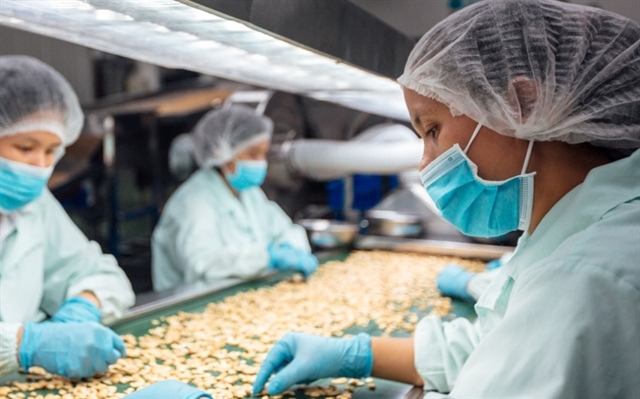
OFI Vietnam is one of the top exporters of cashews, pepper, and green and soluble coffee in the country, operating over 24 production facilities across central and southern regions.
- 14:00 14/05/2026