PM urges faster ASEAN digital integration, energy link
PM urges faster ASEAN digital integration, energy link
Cambodia’s appeal for deeper ASEAN unity comes as the bloc faces mounting geopolitical pressures. The bloc’s global bargaining power depends heavily on the strength of its regional economic integration and collective cooperation, says expert.
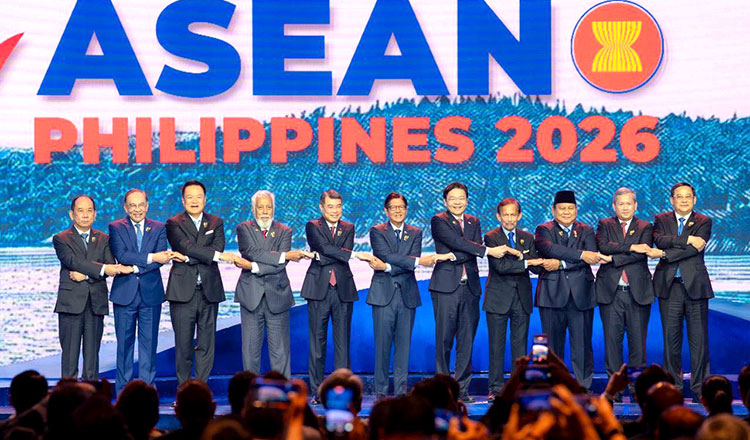
Prime Minister Hun Manet Friday urged ASEAN member states to accelerate digital economic integration, advance regional trade agreements and strengthen energy connectivity to bolster regional resilience amid growing global economic and geopolitical uncertainty.
The statement was made during the 48th ASEAN Summit, hosted by Ferdinand Romualdez Marcos Jr, President of the Philippines and Chair of ASEAN 2026, in Cebu, the Philippines, on May 8.
During the meeting, ASEAN leaders discussed regional community-building efforts and exchanged views on regional and international developments under the theme ‘Navigating Our Future Together’.
They reaffirmed their commitment to advancing ASEAN community-building efforts, strengthening regional resilience, and enhancing its centrality and unity in addressing emerging regional and global challenges, particularly those related to energy and food security, and safety and welfare in the region.
In his remarks, Prime Minister Hun Manet highlighted the importance of effectively implementing the ASEAN Economic Community (AEC) Strategic Plan 2026-2030 to deepen regional integration and strengthen economic resilience amid global uncertainty.
He stressed the need to expedite the implementation of the ASEAN Single Window 2.0, advance digital interoperability among member states, and accelerate ongoing free trade agreement negotiations with external partners, including Canada and the Gulf Cooperation Council (GCC).
The Prime Minister also called for progress toward signing the ASEAN Digital Economy Framework Agreement (DEFA), which is expected to support digital trade, regional connectivity, and the development of the digital economy in the region.
On energy security and resilience, Mr Hun Manet emphasised the importance of expediting the ratification and operationalisation of the ASEAN Framework Agreement on Petroleum Security (APSA) to strengthen regional preparedness against supply disruptions and external shocks.
He further highlighted the need to advance the ASEAN Power Grid (APG) and the Trans-ASEAN Gas Pipeline (TAGP), saying the initiatives would improve regional energy resilience, enhance supply flexibility and support long-term sustainable economic growth.
Regarding food security, the Prime Minister underscored the importance of strengthening regional food systems and improving ASEAN preparedness through closer cooperation and effective implementation of existing regional mechanisms and emergency response frameworks.
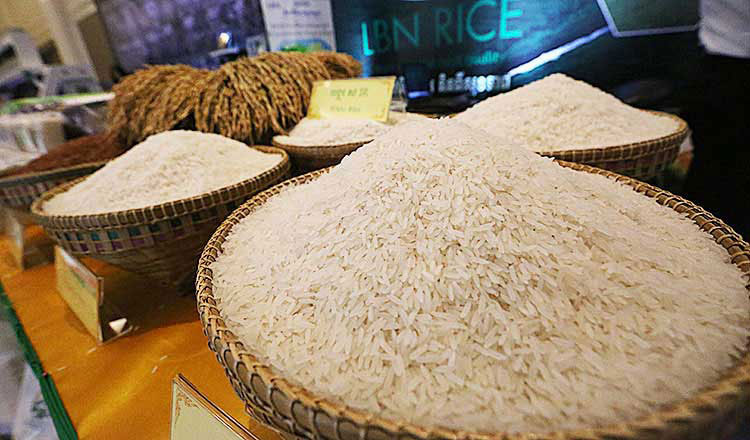
He specifically pointed to the ASEAN Plus Three Emergency Rice Reserve (APTERR) and the ASEAN Food Security Information System (AFSIS) as key mechanisms that can help ensure regional food stability and improve responses to future supply challenges.
Mr Hun Manet also reaffirmed Cambodia’s readiness to contribute to regional food security efforts, noting that the Kingdom remains a food surplus country capable of supporting broader ASEAN cooperation in agriculture and food supply stability.
According to a release from the Ministry of Foreign Affairs and International Cooperation, ASEAN leaders adopted several key documents, including the Cebu Protocol to amend the regional charter and the Declaration on Maritime Cooperation.
They adopted the statement in response to the Middle East crisis, the ASEAN declaration on the empowerment of youth in climate action and disaster resilience, and the declaration on disaster response under the ASEAN Strategic Protocol for Emergency and Comprehensive Transformation Framework.
During the retreat session, they also exchanged views on regional and international issues, including ASEAN’s capacity to manage and mitigate the impacts of oil supply disruptions and price volatility arising from geopolitical tensions, as well as lessons learned from recent global crises.
Sam Seun, policy analyst at the Royal Academy of Cambodia (RAC), told Khmer Times that the Prime Minister’s call for stronger regional cooperation came at a critical time, noting that while ASEAN was committed to building a unified economic community in 2015, member states have at times prioritised national interests during periods of crisis.
He pointed to the Covid-19 pandemic, when several countries imposed border restrictions without sufficient regional coordination, and ongoing global energy market disruptions linked to tensions in the Middle East, which prompted some nations to adopt policies focused primarily on domestic energy security.
Sam also noted that Thailand’s recently announced ‘Thai People First’ policy reflected a growing trend among countries to prioritise national economic interests despite broader ASEAN commitments to regional integration and collective resilience.
He said that Cambodia’s appeal for ASEAN unity comes as the bloc faces mounting geopolitical pressures, adding that ASEAN’s global standing depends heavily on the strength of its regional economic integration and collective cooperation.
- 14:43 11/05/2026