Transition underway in German investment across Vietnam
Transition underway in German investment across Vietnam
Last year was a resilient and constructive one for German businesses in Vietnam. According to recent community feedback and macroeconomic outlooks, around 80 per cent of German companies here report their business performance as “good” or “meeting expectations”, a testament to stability amid ongoing global challenges, marking a strong recovery from the mid-year dip due to tariff shocks.

Torben Minko, vice chairman German Business Association |
Overall, German business gives exceptional endorsement of Vietnam as an investment destination and are confident in the 2026–2030 outlook.
In response, many firms have focused on cost optimisation, increased use of technology, automation, and AI, and selective adjustments to investment or expansion plans. Enterprises are balancing growth with selectivity in capital deployment, emphasising sustainable expansion rather than rapid scale-ups.
This collective adaptability has helped the German business community remain robust even as external factors like global interest rate shifts and geopolitical tensions (for example, trade policy uncertainties) continue to influence decisions. Importantly, despite global pressures, businesses report increased optimism about Vietnam, underpinned by infrastructure investment, ongoing reforms, and the perception that trade tensions remain manageable.
Last year was not a year of stagnation, but of selective and strategic investment growth. While uncertainty globally made some companies cautious, a significant portion – around 38 per cent - reported plans to increase investment, and even more – around 43 per cent - planned to hire locally to support expansion.
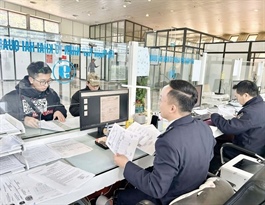
Businesses also reported a stabilisation after earlier administrative disruptions linked to legal and procedural changes, with provincial systems becoming more operational. Open-ended feedback reflected this shift, with companies noting that “economic activity is back” and that administrative processes have begun to settle.
Optimism for the first quarter of 2026 is reinforced by Tet-related consumption and tourism, improved global outlooks, and internal business resets as companies roll out new strategies for the year.
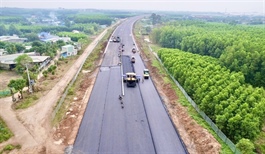
Among the most influential factors are that Vietnam’s young workforce and dynamic domestic demand enable scaling without compromising quality or speed; ongoing reforms and a stable regulatory environment remain key; continued investments in transport and industrial parks enhance operational confidence; and German firms have highlighted the depth of Vietnam’s technical talent but also noted that skills development remains a focus area for future competitiveness.
In short, companies were not hesitant to invest, but instead were strategic and selective, aligning capital with long-term operational viability in Vietnam
Despite strong fundamentals, German businesses did encounter a set of persistent challenges in 2025. Vietnam remains a highly recommended destination, but administrative and regulatory complexity continues to affect predictability and execution.
Other recurring issues include unclear or inconsistently applied regulations, customs and trade barriers, and visa and work permit constraints. These challenges most often translate into operational delays, higher compliance costs, and productivity losses.
To sustain confidence, businesses are calling for simpler administration, clearer guidance, predictable timelines, and more consistent implementation across provinces. These are not insurmountable issues, but rather areas where continued dialogue and collaboration with authorities can unlock over years of mutual growth
In 2025, several policy areas notably influenced business operations. Firstly, Vietnam’s deep network of free trade deals, including EU–Vietnam agreements, boosted export potential and investor confidence.
Second is efforts to streamline foreign investment processes. Measures aimed at reducing administrative burdens – such as clearer guidance on licensing and customs modernisation – have had a positive effect on firms seeking faster go-to-market timelines.
Third is sector-specific regulatory clarity. Especially in areas like healthcare, renewable energy, and digital services, clearer compliance frameworks helped German companies align operations with expectations.
These reforms have, collectively, supported smoother operational execution and risk assessment, encouraging companies to deepen their engagement rather than merely maintain presence.
In 2025, environmental, social, and governance (ESG) became a strategic necessity rather than a voluntary initiative for German companies in Vietnam. Sustainability and ESG compliance are now directly linked to market access, especially in Europe, where customers and regulators increasingly demand transparency across the entire value chain. For many German firms, meeting ESG standards is essential to remain competitive.
We also see ESG playing a growing role in investment decisions. Access to green energy, for example, has become a decisive factor for expansion plans. At the same time, we acknowledge that implementation – particularly for small and medium-size enterprises – requires clear guidance and supportive policies. Vietnam’s focus on green transition is encouraging, and with continued collaboration, ESG can become a strong driver for high-quality and long-term foreign investment
This year, we see a few defining trends shaping policymaker and investor priorities: Vietnam’s role as a strategic manufacturing hub will likely deepen, especially as companies diversify supply away from single-market concentration; renewables, energy-efficient manufacturing, and green logistics are poised to attract strong German capital; technologies like Industry 4.0 automation, enterprise software, and cybersecurity services will see elevated interest; and collaboration with training institutions and vocational programmes will be key in closing the skill gaps that German firms consistently identify.
Among the attractive industries are renewable energy and cleantech, medical technologies and healthcare infrastructure, advanced manufacturing and automation, and digital and software services. These sectors align both with Vietnam’s development goals and German corporate strengths, promising deeper partnerships and meaningful economic impact in 2026 and beyond.
- 08:00 02/02/2026