Tết consumption shaped by tradition, practicality and convenience: conference
Tết consumption shaped by tradition, practicality and convenience: conference
While the Lunar New Year (Tết) remains a cornerstone of social life in Việt Nam, the way consumers approach and spend during the festival has changed markedly, reflecting modern lifestyles and ongoing economic flux.

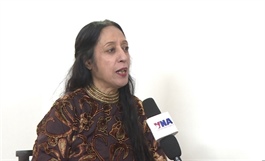
Vũ Kim Hạnh, chairwoman of the High-Quality Vietnamese Goods Business Association, speaks at the conference. — Photo courtesy of organiser |
While the Tết (Lunar New Year) remains a cornerstone of social life in Việt Nam, the way consumers approach and spend during the festival has changed markedly, reflecting modern lifestyles and ongoing economic flux.
The Tết 2026 consumption landscape is being shaped by three pillars: tradition, practicality and convenience.
This is not merely a seasonal shift but a trend expected to influence consumer behaviour through 2026 and beyond.
These and other insights were shared by Nguyễn Phương Nga, business unit director of Worldpanel by Numerator (formerly Kantar Worldpanel), at a conference on “Exploring New Needs of Vietnamese Consumers for Tết and Effective Sales Strategies” organised by the High-Quality Vietnamese Goods Business Association and the Business Studies and Assistance Centre in HCM City on December 23.
She said that, amid economic volatility, Vietnamese consumers are becoming more calculated and cautious ahead of Tết.
Instead of impulse buying, they are increasingly comparing prices, tracking changes in online shopping carts and hunting for promotions, pushing retailers to optimise pricing, shopping experiences and promotional strategies.
Tết remains irreplaceable in Việt Nam’s consumption patterns – market data shows it accounts for around 20 per cent of total FMCG revenues and an even higher share in sectors such as confectionery and beer during the year, she said.
The main difference now lies not in how much people spend, but in how they “prioritise,” with many shifting away from outward displays towards the core values of Tết – reunion, togetherness and emotional, she said.
About 27 per cent of respondents said Tết is mainly a time to meet friends and family, while ritual-heavy traditions are being streamlined.
“Traditions are still followed, but in simpler, more flexible and less pressured ways,” Nga noted.
This also reflects changing family structures and urban lifestyles, with consumers seeking a lighter, more relaxed festive season.
Alongside simplified traditions, practicality has also become a key priority.
Consumers are spending on themselves and their immediate families rather than on extensive gift-giving.
Popular product categories purchased include healthcare, beauty and convenience foods, while health-oriented products, nutritional drinks and cosmetics continue to grow across all age groups of buyers.
Nga said consumers today are buying not just products, but peace of mind and confidence.
“A product must make people feel they have made a smart and reasonable choice.”
Convenience has emerged as the third major pillar of Tết consumption.
Ready-made foods, frozen and ready-to-eat products and multi-purpose household cleaners are increasingly favoured as consumers seek to save time and effort.
Shopping channels are also evolving.
Online platforms and mini-supermarkets have seen strong growth thanks to their speed and convenience, a trend expected to continue well into 2026.
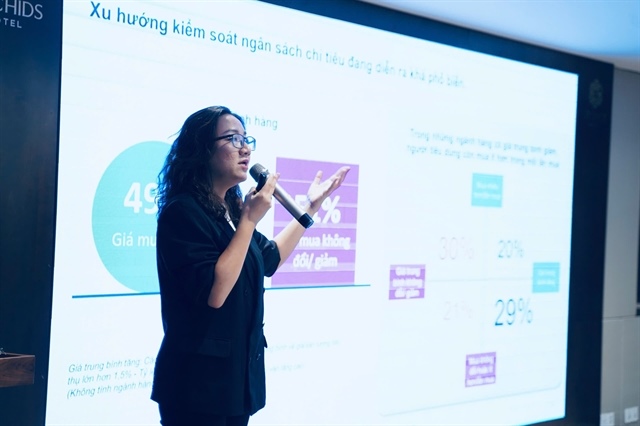
Vũ Kim Hạnh, chairwoman of the High-Quality Vietnamese Goods Business Association, speaks at the conference. — Photo courtesy of organiser |
Another key takeaway is that consumers’ wallets are not shrinking, only shifting.
In 2025, the fastest-growing sectors in Việt Nam were led by arts and entertainment, driven by a boom in concerts and large-scale events, food services, travel, and accommodation.
“Attending a concert can cost tens of millions of đồng, showing that consumers are still willing to spend on emotionally rewarding experiences,” Nga said.
A Numerator Vietnam survey in September 2025 found 83 per cent of respondents expecting economic conditions to improve over the next 12 months, signalling a return to pre-COVID confidence levels.
But Nga warned that people’s sentiments could be affected by the recent natural disasters, tax policy changes and ongoing food safety concerns.
Vũ Kim Hạnh, chairwoman of the High-Quality Vietnamese Goods Business Association, said amid ongoing economic difficulties, consumers are tightening their spending and prioritising essential goods. The key question is how businesses can win over consumers.
“Instead of offering large-sized products, companies could shift to smaller packs with more attractive packaging and more affordable prices. At the same time, they should better leverage local resources to create new products with distinctive stories and added value,” she added.
Shopper holds final decision
From a business perspective, Trần Minh Văn, modern trade sales director at FrieslandCampina Vietnam, said Tết remains a key period, accounting for 30-40 per cent of quarterly revenues for many companies.
“If you fail to close the sale at that moment, nearly all prior investment is wasted.”
Big discounts alone are no longer enough; consumers seek a sense of “getting a good deal” through perceived value, gifts and trust in product quality, he said.
He urged businesses to focus on three in-store priorities: strong on-shelf availability, value-driven promotions and effective displays.
Companies should also shift from “selling to retailers” to “selling to the end shopper”, combining perfect store strategies with O2O (online-to-offline) models and cashless payments to stay competitive beyond the Tết season.
- 12:51 25/12/2025