Heavy industries set for pilot greenhouse gas quotas
Heavy industries set for pilot greenhouse gas quotas
Vietnam is moving closer to piloting carbon emissions quotas for major industrial emitters, marking a key step in building its domestic carbon market.
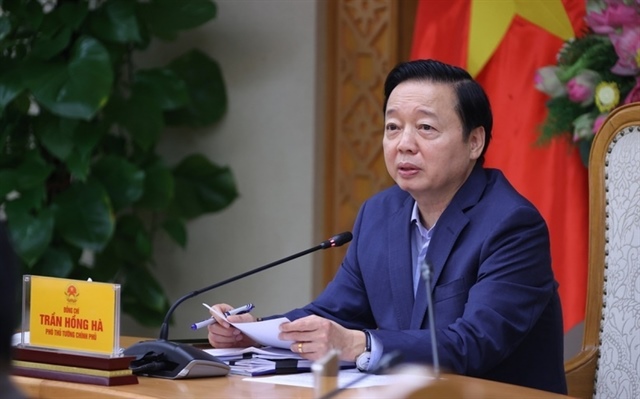
Deputy Prime Minister Tran Hong Ha. Photo:VGP |
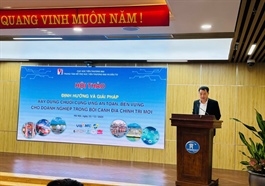
On December 24, Deputy Prime Minister Tran Hong Ha chaired a meeting to review plans for approving total greenhouse gas (GHG) emission quotas for 2026, with 110 firms set to be reported to the prime minister for consideration under a pilot allocation scheme. The list includes 34 thermal power plants, 25 iron and steel producers, and 51 cement manufacturers that meet eligibility criteria based on national GHG inventory requirements.
“Quota allocation will push businesses to cut emissions, invest in cleaner technologies, and improve production efficiency,” Ha said. “The framework must allow firms that reduce emissions beyond their targets to trade surplus quotas, turning mitigation into a market-based resource. As this is Vietnam’s first time assigning emission quotas, implementation must be backed by clear and detailed legal regulations.”
Deputy Minister of Industry and Trade Nguyen Sinh Nhat Tan said, “It is necessary to review and evaluate the method of determining and allocating emission quotas, which are based on actual production, differences in technology, equipment, and raw materials between facilities, and the extent of these differences.”
“At the same time, it needs to have an independent measurement and verification policy to ensure the accuracy of emission data, as state management agencies can only assess the process and cannot accurately confirm the figures reported by businesses themselves,” Tan added.
At the meeting, representatives from the energy, coal, minerals, cement, and construction materials sectors urged that emission quota allocation strike a balance between emissions reduction and maintaining growth momentum.
Businesses proposed shifting from absolute quotas to per-unit emission standards to avoid constraining production expansion and to encourage investment in cleaner technologies. They also called for a flexible internal quota allocation mechanism and the early establishment of a transparent carbon credit market.
Dinh Quoc Thai, general secretary of the Vietnam Steel Association, said, “The most important priority is to complete a transparent measurement and verification system in line with international standards before rolling out the scheme more widely.”
- 10:00 25/12/2025