

Food producers face mounting inventory, cost pressures ahead of Tết
Food producers face mounting inventory, cost pressures ahead of Tết
Food producers faced a dilemma over production timing: manufacturing too early risked products expiring and occupying warehouse space, while producing too late could delay customer deliveries.
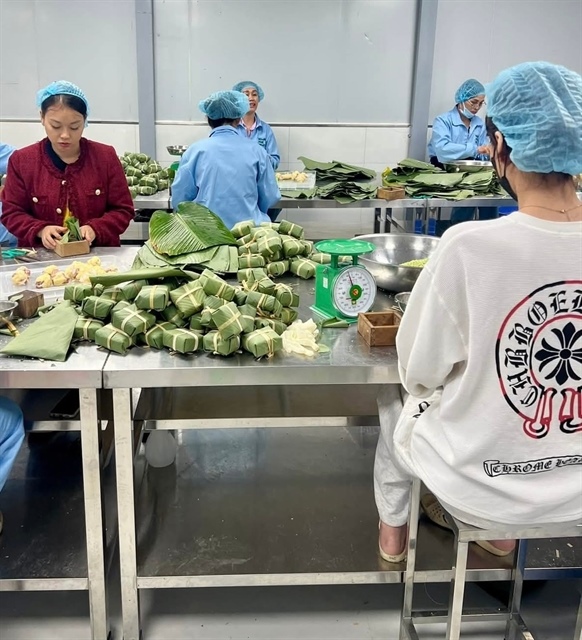
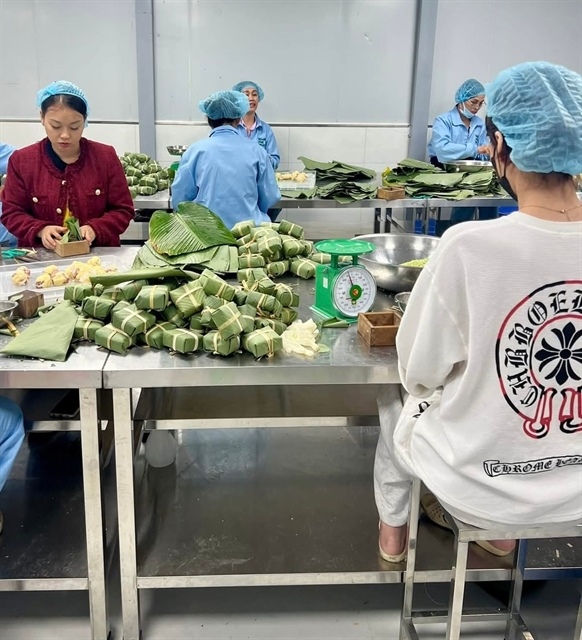
Food manufacturers face pressure during the year-end production peak, as they seek to control costs, manage inventory and meet regulatory requirements. —Photo vnbusiness.vn |
Food manufacturers are facing mounting pressure to balance production schedules, inventory and delivery commitments ahead of the Lunar New Year (Tết) holiday, as seasonal demand rises and new traceability requirements add to compliance costs.
Nguyễn Khánh Trình of Hà Nội-based Everyday Delicious Manufacturing JSC said food producers faced a dilemma over production timing: manufacturing too early risked products expiring and occupying warehouse space, while producing too late could delay customer deliveries.
The pressure is compounded by new regulatory requirements. Circular No 63/2026/TT-BCT, which took effect on November 15, requires businesses to record, store and manage product traceability information and provide it to authorities within 24 hours of a request. Violations are subject to penalties.
Decree No 372/2026/NĐ-CP, due to take effect on January 1, 2027, requires high-risk goods to be identified and traceable through a national platform, adding to manufacturers' compliance burden.
With Tết approaching, businesses have limited time to adjust production plans, improve inventory visibility and prepare for the new requirements.
Inventory figures can mask supply shortages
Hoàng Đức Hiển, a business consultant, cited the example of a confectionery factory due to deliver 12,000 boxes the following week. The factory believed it had sufficient stock, with 5,000 boxes recorded in its inventory.
However, 1,000 boxes had been reserved for another order, 600 were awaiting quality-control approval and 400 had expired and were no longer suitable for distribution.
This left just 3,000 boxes available for shipment, creating a shortfall of 9,000 boxes against the order and exposing weaknesses in inventory management during the peak production period.
Production planning is further complicated by the use of shared ingredients and semi-finished products across multiple product lines, particularly in confectionery and beverage manufacturing.
A single batch of dough, for example, may be used to make several products that differ mainly in shape and packaging. When recipes and product specifications are not centrally standardised, managers can struggle to determine how many compliant products can actually be produced for each product line.
Nguyễn Văn Trung of Guna Vietnam Co Ltd in Hà Nội said production losses often became apparent only at the final packaging stage, after some products had been rejected because of cracks, incorrect weight or colour defects.
Without accurate production data, factories may have to estimate how to make up shortfalls without knowing whether sufficient raw materials are available or whether machinery has the capacity to handle additional production.
He cited an order for 158,000 cakes that consumed 494.9 kilos of flour, against a standard requirement of 474 kilos.
The additional 20.9 kilos of flour cost VNĐ670,800 (US$25.6), an expense that could become an unnoticed loss if manufacturers fail to monitor raw material consumption against production standards.
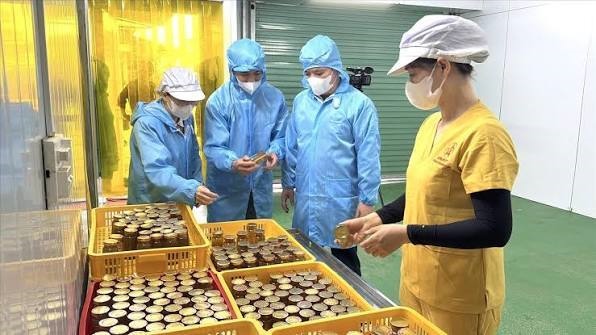
Food manufacturers face pressure during the year-end production peak, as they seek to control costs, manage inventory and meet regulatory requirements. —Photo vnbusiness.vn |
Improving production planning and forecasting
Food manufacturers should strengthen production planning, improve demand forecasting and tighten inventory controls to manage rising orders and costs during the year-end peak season, industry experts say.
Higher production volumes do not necessarily indicate stronger business performance, as they can also expose weaknesses in production planning, raw material coordination, market forecasting and warehouse management.
In some cases, inaccurate forecasts result from distributors placing larger-than-needed orders to avoid stock shortages during periods of high demand.
Manufacturers should therefore incorporate seasonal consumption patterns and annual demand cycles into their forecasts rather than relying solely on estimates from sales teams, experts say.
Vũ Mạnh Cường, IT director at Swire Coca-Cola Vietnam, said companies should pay closer attention to actual sell-out data, which measures sales to end consumers, rather than sell-in figures, which track sales to distributors.
Combining consumer sales data with information on promotions and advertising across different channels could help businesses produce more accurate demand forecasts, he told vnbusiness.vn.
During peak seasons, demand can rise sharply while manufacturing capacity remains constrained, forcing companies to balance the risks of early production against potential delivery delays.
Producing too early can result in expired products and tie up warehouse space and pallets, while producing too late can lead to missed delivery deadlines and penalties.
Manufacturers should negotiate delivery schedules with customers and identify duplicate or overlapping orders from distributors to develop more efficient production plans, experts say.
Strict controls at every production stage are also necessary, as even small deviations in raw material consumption per unit can translate into substantial additional costs when multiplied across large production volumes.
Traceability and operational controls
Manufacturers should maintain detailed records of every batch of raw materials used in production, including processing times and transfers between shifts, to ensure products can be traced throughout the supply chain.
Businesses should also conduct traceability drills to assess how quickly they can retrieve the required information, experts say.
Cường said clear procedures, accurate data and well-defined responsibilities were essential foundations for efficient operations, particularly during the year-end production peak.
- 09:53 25/11/2026