Urban Development Law takes effect on October 1
Urban Development Law takes effect on October 1
The Urban Development Law is expected to strengthen decentralisation, unlock resources, and help urban areas become new growth poles while improving quality of life.
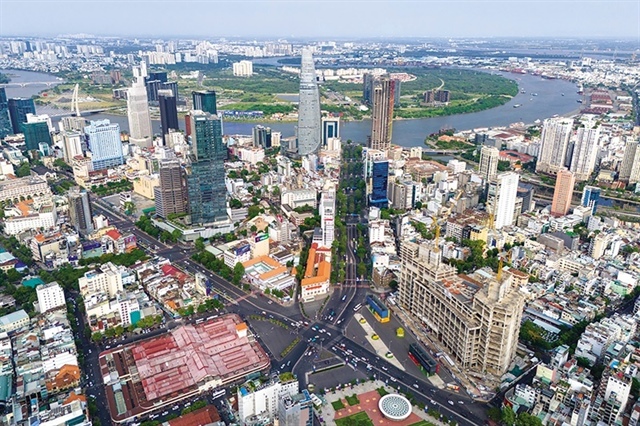
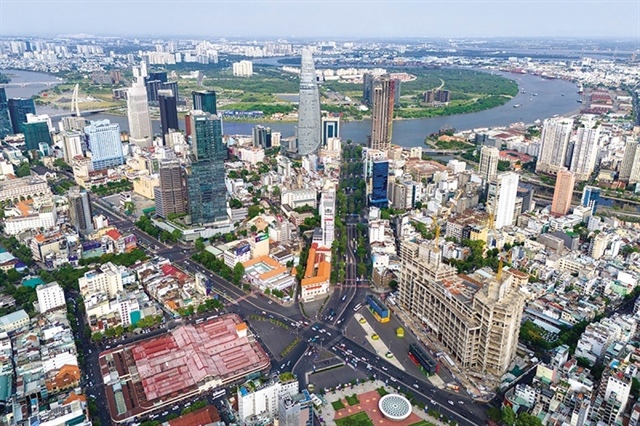
Urban Development Law takes effect on October 1. Photo: Le Toan |
Taking effect on October 1, the law includes key provisions on comprehensive decentralisation and greater autonomy for administrative apparatus, new models for urban planning and development, economic and financial mechanisms, and policies to attract strategic investment.
The Urban Development Law provides for full and comprehensive decentralisation of authority to the people’s councils, people’s committees and chairpersons of people’s committees of cities. It allows the issuance of specific legal documents with provisions different from those approved by central authorities, pilot implementation of new mechanisms not yet covered by law.
It provides that controlled socialisation is permitted for professional and technical activities and for supporting the handling of administrative procedures. Cities may decide on a total number of staff positions not exceeding 20 per cent of the number of civil servants and public employees assigned by the central government, provided that they can balance their own budgets and cover salaries from city budget revenues.
Giving stronger decentralisation and delegation of authority to city governments will help localities to remove part of these impediments and exploit potential. In practice, many cities have significant potential but face difficulties in converting that potential into growth because resources remain fragmented. Land, infrastructure, transport, investment and planning are sometimes governed by different procedures, meaning that a single project can take a long time to complete.
The key is to implement the law in a way that creates a stable legal framework conducive to development, shifting from a mindset of 'urban management' to one of 'facilitating and developing urban areas', shortening processing times and making it easier for residents and businesses. This approach puts people at the centre, uses quality of life and development efficiency as key benchmarks, and gives urban authorities greater initiative in making decisions within their jurisdiction.
Another noteworthy content is urban development in transit-oriented development. In these areas, the city government can use the budget to implement compensation, support, resettlement, land acquisition, urban embellishment and development according to regulations.
Another highlight is the diversification of resources for infrastructure development, including the role of the private sector and public-private partnerships. Expanding capital mobilisation methods is expected to reduce pressure on the state budget while creating more opportunities for businesses to participate in infrastructure and urban development projects.
For the real estate market, improving the legal framework and increasing transparency in planning, investment, compensation, and resettlement directly impacts project implementation. With clearer regulations, businesses have a more favourable basis for assessing costs, timelines, and legal risks before making decisions.
- 17:49 30/09/2026