From resilience to intelligence: how Vietnam can strengthen its role in Asia-Europe supply chains
From resilience to intelligence: how Vietnam can strengthen its role in Asia-Europe supply chains
Global supply chains have spent several years learning how to withstand disruption. The next challenge is different: how to anticipate change, make better decisions, and remain competitive when uncertainty becomes a permanent feature of international trade.
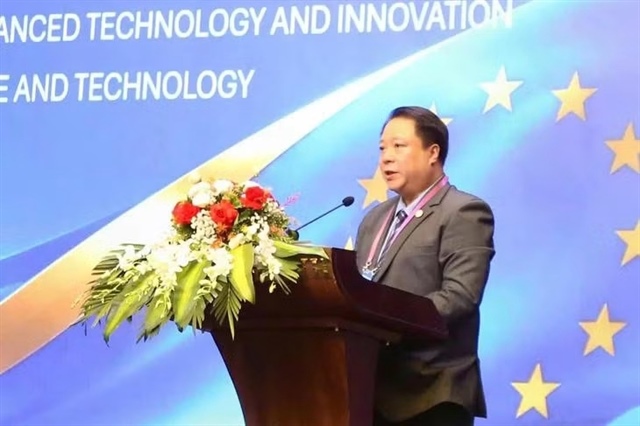
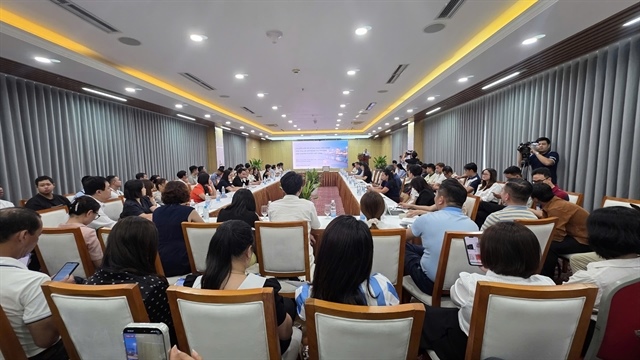
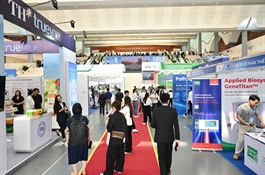
That question took centre stage at the Logistics Summit 2.0, co-organised by HDS International Group and AHK Vietnam in Ho Chi Minh City under the theme “Asia-Europe Trade 2030: Navigating Market Uncertainty with Smarter Supply Chains.”
Building on the inaugural summit in 2025, where resilience, multimodal transport, digitalisation, and supply chain diversification were central themes, this year’s discussion shifted towards the next stage: how businesses can use infrastructure, technology, data, and stronger regional networks to make their supply chains not only more resilient, but smarter.
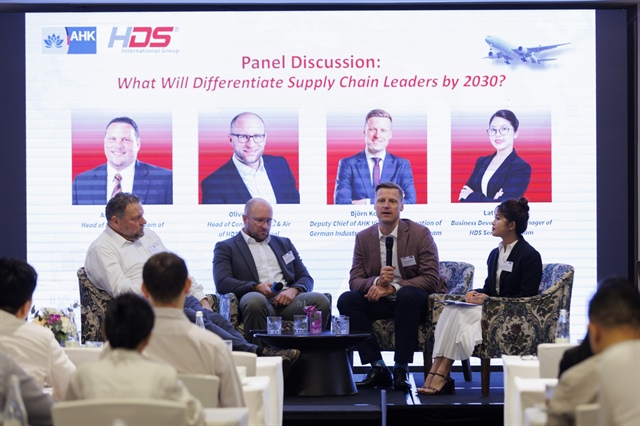
Photo: HDS International |
Vietnam’s logistics landscape is evolving
Vietnam’s importance in global manufacturing is well established, but the logistics ecosystem surrounding it is entering a new phase.
Strong economic growth, foreign investment, and deeper integration into international trade continue to drive logistics demand. At the same time, the country’s logistics map is becoming more diverse. Northern Vietnam is strengthening its role as an industrial hub, supported by electronics manufacturing and connectivity with China, while the south remains a major gateway for international cargo and transshipment.
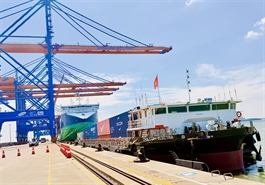
Large-scale infrastructure development is adding further momentum. Investments in airports, highways, and seaports, including Long Thanh International Airport and the planned Can Gio International Transshipment Port, have the potential to improve connectivity and reshape how companies organise supply chains around Vietnam.
For German and European businesses, this makes Vietnam relevant not simply as an alternative production location, but as part of a broader regional strategy connecting suppliers, manufacturing sites, logistics corridors, and customer markets.
Pacovis-HDS collaboration
The link between logistics efficiency and sustainability came into focus through a best-practice case presented by Pacovis, a provider of food solutions and packaging, and logistics consultancy HDS International.
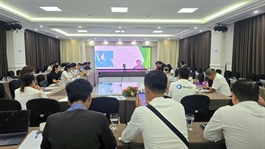
Andreas Meier, head of Purchasing Team of Pacovis Group, outlined the company’s activities and its completed project with HDS, examining how the partnership helped optimise logistics costs and processes while supporting a more sustainable supply chain.
The case highlighted a practical challenge for businesses: reducing logistics expenditure without compromising service quality. It also placed process improvements alongside cost savings, broadening the discussion beyond freight rates alone.
HDS’ methodology starts with an assessment of logistics structures, tariffs, and transport data to identify savings opportunities. Recommendations are then translated into operational changes, which can include process adjustments, negotiations with existing providers, and competitive tenders. Implementation is followed by a review of realised savings.
For companies navigating uncertain trade conditions, the broader lesson was that supply chain improvement need not begin with a wholesale transformation. A clearer understanding of costs, better-organized processes, and regular review of logistics arrangements can provide a practical starting point.
|
Photo: HDS International |
What will differentiate supply chain leaders by 2030?
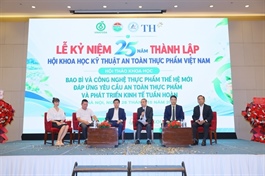
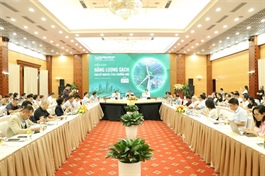
One of the highlights of the summit was the panel discussion “What Will Differentiate Supply Chain Leaders by 2030?”, which brought together business and logistics perspectives on how companies can remain competitive amid changing trade patterns, technological advances, and continued uncertainty.
The discussion featured Björn Koslowski, deputy chief representative of AHK Vietnam; Andreas Meier, head of Purchasing team of Pacovis Group; Oliver Ehlers, head of Consulting Sea & Air of HDS International; and Latina Tran, business development manager of HDS Services Vietnam.
At the heart of the discussion was a challenge facing companies across sectors: how to strengthen resilience without losing cost efficiency and competitiveness.
The panel explored the growing importance of end-to-end visibility, AI and digitalisation, diversified sourcing and transport strategies, and closer cooperation between suppliers, logistics providers, and customers.
The discussion reflected a broader shift in supply chain thinking. Rather than attempting to predict every possible disruption, companies increasingly need the visibility, flexibility, and partnerships required to recognise change early and respond quickly.
Moving from reaction to preparation
Translating those discussions into practical recommendations, HDS International highlighted three priorities for building smarter supply chains.
The first is robust transport and route planning. Alternative transport options should be assessed before disruption occurs, with companies considering different modes, contractual arrangements, and the potential costs of sudden changes.
The second is end-to-end transparency. Visibility needs to go beyond shipment tracking to give businesses a clearer understanding of suppliers, inventory, lead times, logistics costs, and transport performance.
The third is continuous review. Freight costs, transport routes, and service-provider performance need to be reassessed regularly as market conditions evolve.
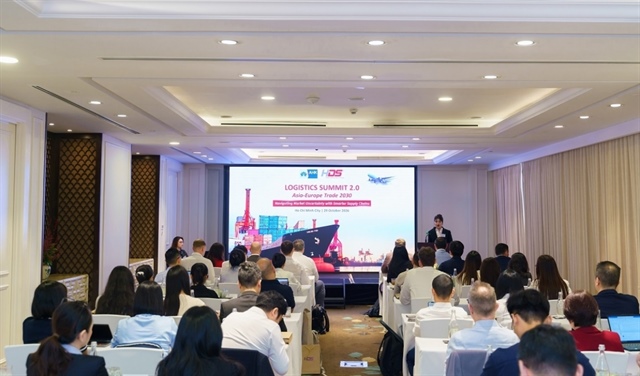
Photo: HDS International |
Together, these principles point towards a more strategic definition of resilience: not creating costly backup solutions for every scenario, but understanding where vulnerabilities lie and preparing realistic alternatives.
From resilience to intelligence
The evolution seen at this year’s summit also reflects how the role of logistics itself is changing. At the 2025 summit, participants already highlighted logistics’ transition from a back-office function towards a boardroom-level priority. Today, decisions about suppliers, transport routes, inventory, and logistics technology increasingly affect working capital, customer service, sustainability, and investment strategy.
For Vietnam, this creates an opportunity that extends beyond manufacturing. Its long-term competitiveness will increasingly depend on the infrastructure, logistics services, digital capabilities, and partnerships surrounding production.
For companies operating between Asia and Europe, meanwhile, uncertainty is unlikely to disappear. The real competitive advantage will lie in how effectively businesses can see change coming, understand its implications, and act.
The supply chain leaders of 2030 may not be those that avoid disruption, but those best prepared to respond when it arrives.
- 19:15 29/10/2026