Việt Nam’s food system features strong access, supply: report
Việt Nam’s food system features strong access, supply: report
Việt Nam’s food system demonstrates strong affordability and stable supply, supported by robust agricultural production and effective domestic distribution, reflecting solid underlying fundamentals, according to new research by Economist Impact, supported by Cargill.

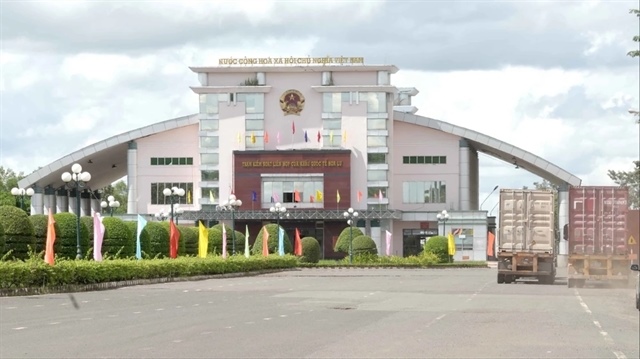
Việt Nam scores above global average in food system resilience. — Photo courtesy of Cargill |
Structured around four interdependent pillars – affordability, availability, quality and safety and climate risk responsiveness – the Resilient Food Systems Index (RFSI) evaluates 60 countries on their ability to deliver sufficient, affordable and nutritious food amid disruption.
Việt Nam ranks 31st with a score of 64.72 out of 100, slightly above the global average of 63.88, placing it in the mid-tier of food systems. While the country shows solid foundations, gaps in climate resilience and system coordination may affect its ability to withstand future shocks.
Globally, no country has achieved full resilience, and nearly half fall within this “middle zone”, scoring between 56 and 71. The findings highlight a common challenge: although many countries have the building blocks for resilient food systems such as policy, technology and investment, these often operate in isolation, limiting their overall effectiveness.
“Việt Nam’s food system demonstrates strong fundamentals in delivering stable and accessible supply, reflecting the strength of its agricultural base and food distribution systems,” said Nguyễn Bá Luân, Country Representative, Cargill Vietnam.
“At the same time, the index highlights the importance of strengthening resilience to ensure the system can continue to perform effectively in the face of future shocks, particularly from climate-related risks,” he added.
Global vulnerabilities persist
The report highlights ongoing vulnerabilities in global food systems. A 42-point gap separates the most resilient and least resilient countries, while food production and exports remain highly concentrated. Just 15 countries produce around 70 per cent of the world’s food, and 11 account for more than 60 per cent of global food exports.

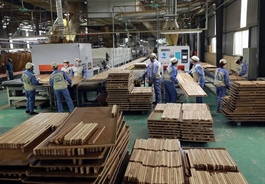
Việt Nam scores above global average in food system resilience. — Photo courtesy of Cargill |
Việt Nam’s performance across the four RFSI pillars shows strong fundamentals in affordability and food supply, although weaknesses remain that could limit resilience to future shocks.
Affordability is the country’s strongest area, with a score of 81.22, ranking 19th globally and well above the average of 71.83. The result reflects stable food prices, broad access to food and relatively affordable healthy diets. However, further progress will require better access to nutritious food and stronger agricultural trade performance.
Availability is another key strength. Việt Nam ranks 18th out of 60 economies with a score of 62.48, above the global average of 58.29, supported by stable agricultural production and strong food security policies. Still, improvements in agricultural inputs, supply chains and research investment are needed to strengthen long-term supply resilience.
Việt Nam scored 68.14 for quality and safety, ranking 29th and broadly in line with the global average of 68.31. The result reflects gradual improvements in food safety and dietary diversity, although stronger enforcement of food safety standards and better nutrition outcomes remain necessary.
Climate resilience remains the weakest pillar. Việt Nam ranks 55th with a score of 43.13, reflecting a broader challenge in translating strong system foundations into system-wide resilience. This is particularly relevant for Việtt Nam given its exposure to extreme weather, flooding, drought and salinity intrusion in key agricultural regions.
The RFSI said food system resilience depends on better coordination between policy, investment and innovation. While countries such as Việt Nam have strong foundations, gaps remain in linking affordability, nutrition, infrastructure and climate resilience. The report called for greater investment in transport, connectivity and cold-chain systems, alongside stronger trade, financing and agriculture-focused climate strategies to improve efficiency, reduce food loss and strengthen long-term food security.
“Food systems today are deeply interconnected, and resilience depends on how well different parts of the system work together,” Luân said.
- 17:36 06/05/2026