Full inspections mandated as Vietnam moves to control rare earth exports
Full inspections mandated as Vietnam moves to control rare earth exports
The Department of Vietnam Customs has mandated 100 per cent inspection of rare earth export shipments from May 6, tightening oversight to combat fraud and reinforce control over strategically vital mineral resources.
Specifically, the Department of Vietnam Customs issued Official Dispatch No.15912/CHQ-GSQL to regional customs sub-departments on enhancing oversight of rare earth export activities.
The directive comes amid broader government efforts to tighten management of mineral resources, particularly high-value strategic minerals.
Under the new requirements, customs authorities will only process export procedures for rare earth products that fully meet conditions and have legally verified origins in accordance with governmental Decree No.17/2020/ND-CP, and are included in export lists issued periodically by the Ministry of Industry and Trade or otherwise approved by competent authorities in special cases.
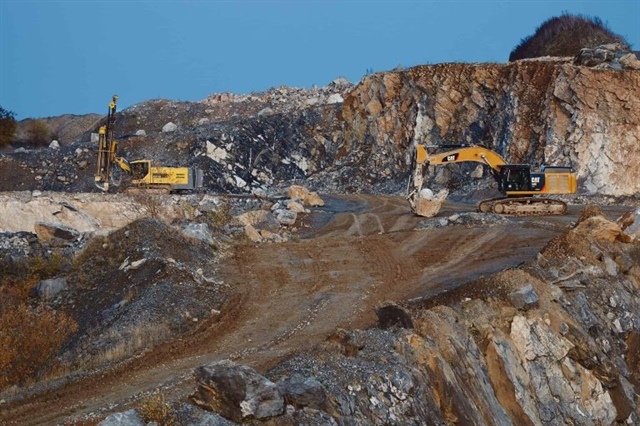
Vietnam is expected to issue a national rare earth strategy in 2026 |
Decree 17 dated February 2020 on amending a number of articles of decrees concerning business investment conditions in sectors under the management of the Ministry of Industry and Trade.
At the customs declaration stage, enterprises must provide complete and detailed information on mineral names, quality standards, mine origin, and the entities responsible for extraction and processing.
In cases where trading companies are not directly involved in extraction or processing, they must supplement information on domestic purchase contracts and invoices. Details of mining licences, recovery permits, or export authorisations must also be fully declared.
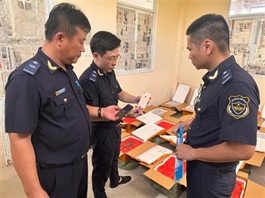
Notably, the Department of Vietnam Customs requires physical inspection of all rare earth export shipments, except for certain specific cases.
Inspections will be conducted based on risk management principles, combined with verification against product categories and quality standards set by the Ministry of Industry and Trade.
Where sufficient grounds for determination are lacking, customs authorities will take samples for assessment by accredited conformity assessment organisations.
Inspection results will serve as the basis for customs clearance decisions or legal handling. Customs units are also required to strengthen information collection and analysis on rare earth exporters, and promptly place high-risk cases under post-clearance audit.
The Department of Vietnam Customs has instructed all units to strictly implement the directive and publicly post its contents at customs clearance points for enterprises to follow. Any implementation issues must be promptly reported for guidance and resolution.
According to the Ministry of Agriculture and Environment, Vietnam possesses substantial rare earth potential, with reserves ranked among the top two or three globally and distributed across 21 cities and provinces.
The Ministry has largely completed baseline surveys of rare earth-bearing areas, is maintaining strict oversight, and is drafting a national rare earth strategy expected to be issued in early 2026.
Rare earths were for the first time incorporated into the Law on Geology and Minerals, which was passed by the National Assembly in November 2024 and took effect from July 2025.
An amended law, adopted in December 2025, affirms rare earths as specially important strategic minerals, requiring strict control over exploration, extraction and processing, while prohibiting the export of unprocessed rare earth ores.
- 17:17 06/05/2026