Inflation goes up 5.79% year-on-year in April as transport and food cost more
Inflation goes up 5.79% year-on-year in April as transport and food cost more
Rising fuel prices, expensive food imports, transportation and utility costs combine to push consumer prices upwards. While Cambodia’s economic recovery remained positive, the inflation surge highlighted the economy’s vulnerability to external commodity shocks and imported cost pressures.
Cambodia’s Consumer Price Index (CPI) inflation rose sharply by 5.79 percent year-on-year in April 2026, continuing the trend from last month, according to data released by the National Bank of Cambodia (NBC) recently.
The increase reflected a combination of imported inflation, higher fuel and transportation cost, rising food and beverages prices and strengthening domestic demand conditions as Cambodia’s economy continued its post-pandemic recovery.
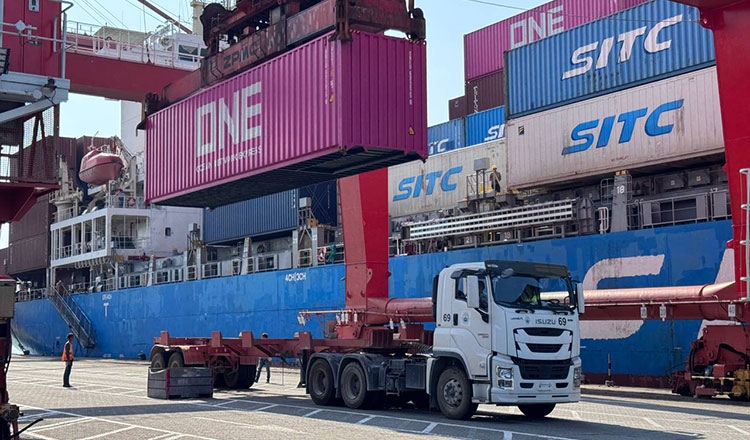
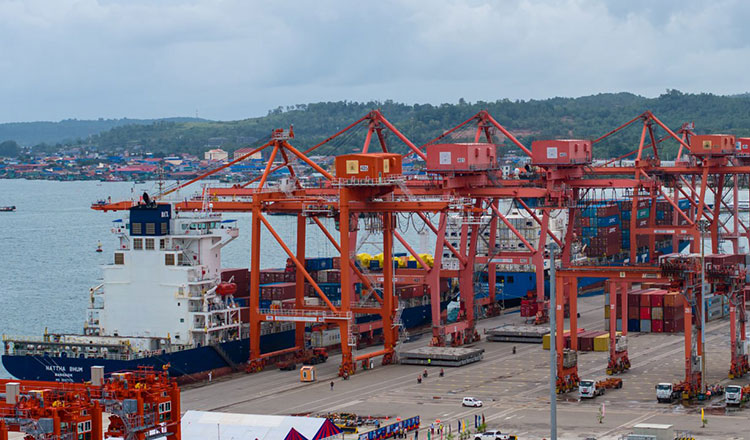
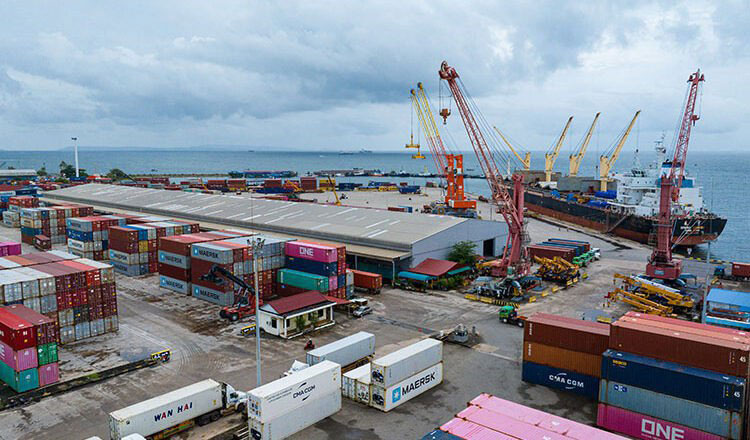
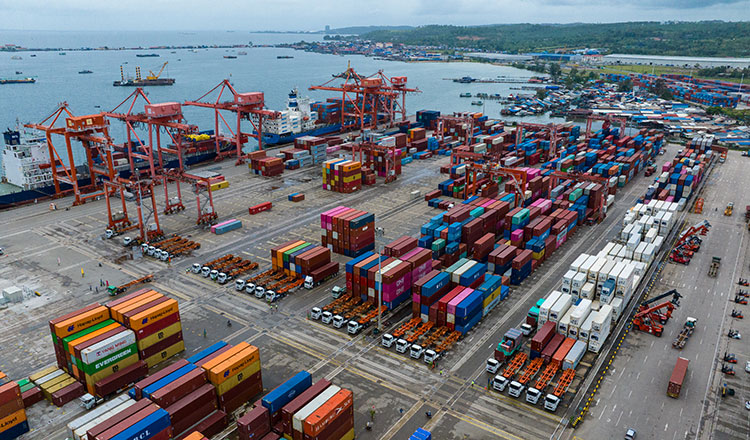
The most important driver of inflation in April 2026 was transportation costs, which surged 9.72 percent compared to April 2025 due to rising international oil prices. Cambodia remains highly dependent on imported petroleum products, making domestic fuel prices sensitive to developments in global energy markets.
During the first quarter of 2026, global crude prices increased amid geopolitical tensions and supply concerns, feeding directly into local petrol and diesel prices. Higher fuel costs then spread across the economy through increased logistics and distribution expenses, raising prices for goods and services nationwide. Transport-related inflation, therefore, became a major contributor to the overall CPI increase.
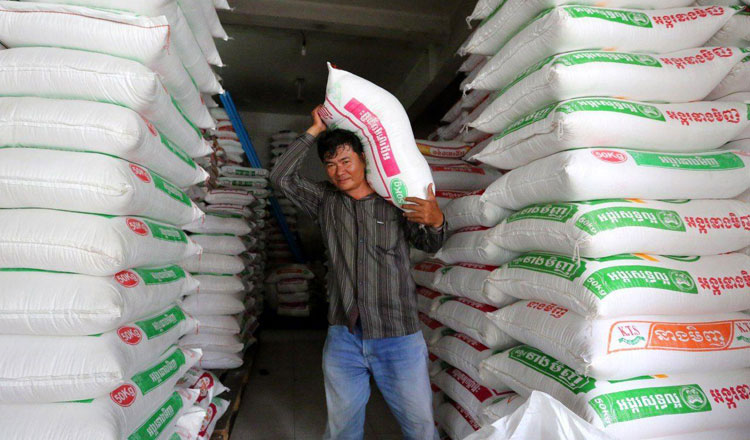
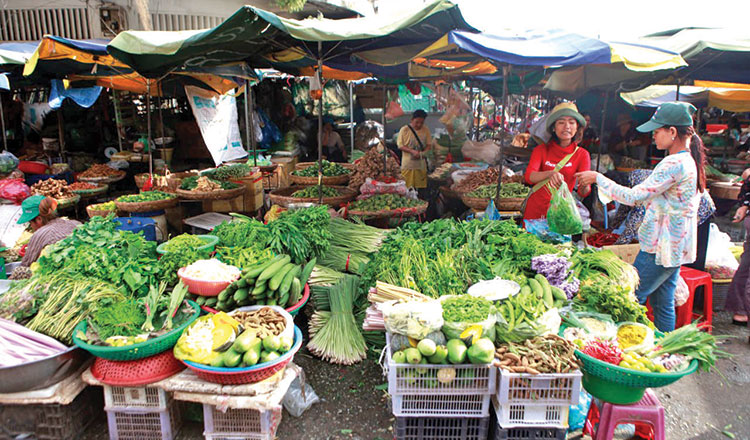
The cost of food and non-alcoholic beverages went up by 6.24 percent year on year, becoming another major source of inflationary pressure. Imported food products became more expensive because of higher shipping costs and elevated regional commodity prices. At the same time, domestic food demand strengthened as household consumption improved.
Fresh food categories, including meat, vegetables, and prepared foods, experienced noticeable price increases in urban markets. Restaurants and food service providers also raised prices in response to higher ingredient and transportation costs. Since food carries a large weight in Cambodia’s CPI basket, these increases had a substantial impact on headline inflation.
Housing and utility costs also contributed to inflation. Electricity, cooking gas and household maintenance expenses rose by 6.43 percent in line with higher imported energy costs. Cambodia imports much of its energy inputs, meaning fluctuations in international fuel prices directly influence domestic utility expenses. Increases in rents and urban service charges in Phnom Penh and other major cities additionally added to overall price growth.
Another factor behind the higher inflation rate was the continued recovery of Cambodia’s service sector. Growing demand in this sector enabled businesses to pass higher operating costs on to consumers. Economic recovery also increased household spending, particularly in urban areas, contributing to broader price pressures.
Despite the sharp rise in inflation, the NBC data indicated that some inflationary pressures remained externally driven rather than purely demand-driven. Imported inflation accounted for a large share of the CPI increase because Cambodia relies heavily on imported fuel, consumer products, and raw materials.
“Inflation in Cambodia is really noticeable with a rise in fuel prices and transport costs. The sharp increase in petrol prices affected my daily budget because commuting to work by motorbike is more expensive now,” said Rotha Yin, a local factory employee.
“Cost of household groceries and cooking ingredients has gone up while family income stays mostly the same. I have to reduce spending on non-essential items and plan meals more carefully to manage the family budget,” said Sokheng Ang, a housewife.
The relative stability of the Cambodian riel against the US dollar helped limit even stronger imported inflation, but it was insufficient to offset the impact of rising global prices.
The 5.79 percent inflation reading, therefore, reflected both global and domestic pressures. Rising fuel prices, more expensive food imports, higher transportation and utility costs, and stronger post-pandemic economic activity combined to push consumer prices upward in April 2026. While Cambodia’s economic recovery remained positive, the inflation surge highlighted the economy’s vulnerability to external commodity shocks and imported cost pressures.
It may also be recalled here that ASEAN+3 Macroeconomic Research Office (AMRO) recently revised Cambodia’s GDP growth projection for 2026 to 4.3 percent on completion of its Annual Consultation Visit to the country from April 20 to 29.
According to AMRO, Cambodia’s economic growth moderated to an estimated 5.3 percent in 2025 and is projected to slow further to 4.3 percent in 2026 as higher global oil prices weigh on the economy.
The revised projection for the year was based on key macroeconomic factors, including annual inflation, which is now expected to rise to 3.9 percent in 2026 from 2.5 percent in 2025 due to higher global oil prices.
The current account shifted to a deficit of 3.6 percent of GDP in 2025 and projected to widen further to 8.5 percent of GDP in 2026, reflecting higher energy imports, weaker tourism receipts, and a sharp decline in remittances following the return of migrant workers from Thailand. Meanwhile, FDI inflows remained resilient.
High oil prices remain the most immediate external risk. Slower growth in major trading partners, driven by spillovers from the Middle East conflict or renewed trade protectionism, could further weaken exports and investment, AMRO economists said.
- 07:50 18/05/2026