Zero petrol import tariff considered as Middle East tensions threaten supply
Zero petrol import tariff considered as Middle East tensions threaten supply
Việt Nam is considering cutting petrol import tariffs to zero as Middle East tensions drive global oil prices above US$100 per barrel and raise concerns over domestic fuel supply.
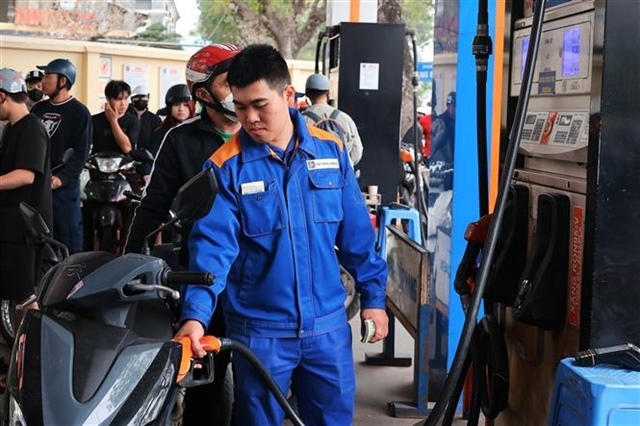
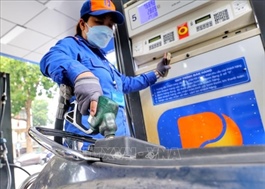
A petrol station worker fills a motorbike in Hà Nội. — VNA/VNS Photo |
The Ministry of Finance has proposed cutting the most-favoured nation (MFN) import tariff on several petroleum products to zero per cent in an effort to stabilise domestic supply amid global energy market volatility.
The proposal is included in a draft decree amending preferential import tariff rates for petrol, oil and related feedstocks under Government Decree No. 26/2023/NĐ-CP.
According to the ministry, escalating tensions in the Middle East – particularly the conflict involving the US, Israel and Iran – have disrupted global energy markets and pushed up crude oil prices. The situation has also raised concerns about supply interruptions, especially as transport through the Strait of Hormuz, a key route for Middle Eastern oil, faces risks of disruption.
If shipments through the strait are blocked, about 20 million barrels of crude oil per day from the Middle East could be affected, forcing many Asian refineries to cut production and restrict fuel exports. This could tighten global supply and drive prices higher.
In the global markets, oil prices surged about 20 per cent on March 9, hitting their highest since July 2022.
Currently, most petrol imports into Việt Nam come from ASEAN countries and South Korea, where tariffs are largely zero under free trade agreements. However, authorities warn that sourcing from these markets may become more difficult if global supply tightens.
Under the proposal submitted to the Ministry of Justice for appraisal, the MFN tariff on unleaded petrol would be reduced from 10 per cent to zero per cent. Import duties on diesel, fuel oil, jet fuel and kerosene would fall from 7 per cent to zero per cent.
Several petrochemical feedstocks – including xylenes, condensate and p-xylene – would also see tariffs cut to zero per cent from 2–3 per cent.
The policy is expected to apply until April 30, 2026.
If the new tariff rates were applied, based on import turnover in 2025, State budget revenue could fall by about more than VNĐ1 trillion (US$39 million).
However, the ministry said the measure is necessary to help fuel traders diversify supply sources, proactively secure imports and ensure stable domestic supply.
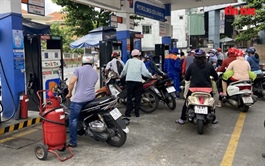
Earlier, domestic retail fuel prices were raised on March 7. E5RON92 petrol rose to a maximum of VNĐ25,226 per litre, while RON95-III petrol increased to VNĐ27,047 per litre. Diesel prices climbed to VNĐ30,239 per litre.
Analysts said fuel prices could continue rising in the next adjustment period if global oil prices remain high.
As of 6.15am on March 9, global crude oil prices had surged past $100 per barrel. WTI crude stood at $106.83 per barrel, up 17.52 per cent, while Brent crude reached $106.57 per barrel, an increase of nearly 15 per cent.
The Ministry of Industry and Trade said the domestic price adjustment was made in line with global fuel price movements, exchange rate fluctuations between the Vietnamese đồng and the US dollar and current regulations, ensuring domestic prices reflect developments in the international market.
- 10:49 09/03/2026