Designing Việt Nam's digital asset exchanges for a 24/7 global market
Designing Việt Nam's digital asset exchanges for a 24/7 global market
Digital asset trading in Việt Nam, already widespread among retail users, is poised to be brought within a regulatory framework under a pilot regime set out by Government policy.

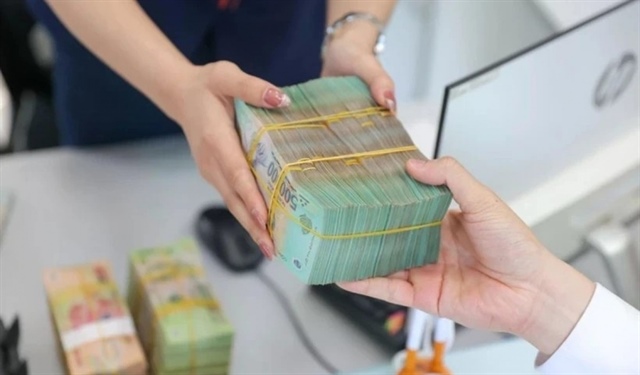
Tokens can swing dramatically, sometimes rising or falling by 50 per cent or more in a single trading session. — VNA/VNS Photo |
As Việt Nam transitions towards a regulated digital asset ecosystem, the design of future trading platforms and licensing frameworks is taking shape, reflecting the state's cautious but deliberate approach to integrating digital assets into the formal financial ecosystem.
Digital asset trading in Việt Nam, already widespread among retail users, is poised to be brought within a regulatory framework under a pilot regime set out by Government policy.
Unlike traditional financial markets, where trading hours are defined and periodic, digital asset markets operate continuously, reflecting global dynamics and liquidity that 'never sleeps', a characteristic underscored by industry participants as the nation prepares for licensed platforms.
According to Huỳnh Quốc Nam, a representative of the global digital asset platform OKX, time is a continuous flow in digital asset trading, a dynamic that creates enormous pressure on technological infrastructure.
The system that runs a digital asset exchange must maintain near-seamless uptime with minimal maintenance windows to support uninterrupted trading.
The Ministry of Finance (MoF) is expected to issue licences to up to five digital asset trading platforms under the pilot programme designed to test regulated trading of digital assets in Việt Nam.
Participation will be limited in the initial stage to a manageable number that authorities can oversee effectively.
At a press briefing in October, Việt Nam's Deputy Minister of Finance Nguyễn Đức Chi reiterated that the Government's five-year pilot framework for digital asset trading would include a cap on the number of licensed operators, emphasising that this controlled approach is intended to ensure effective supervision and develop detailed regulatory mechanisms for taxation, compliance and risk management.
Under Government Resolution No. 05/2025/NQ-CP, signed on September 9, the pilot period for regulated digital asset trading is set to run for five years, during which time issuance, trading and related services must be provided by licensed entities and all activity must comply with rules designed to protect investor rights and ensure market integrity.
This policy also mandates strict technical and operational standards for digital asset service providers, including anti-money-laundering (AML), cybersecurity and data protection measures.
Vietnamese policy explicitly requires that digital asset trading be conducted in Vietnamese đồng, with issuers and service providers meeting strict criteria for governance, capital, technological capacity and risk management.
Risk management in digital asset markets operates differently from stock markets. Traditional exchanges often use mechanisms such as daily price limits to temper volatility and protect investors.
Digital asset markets, however, do not typically impose such restrictions, and tokens can swing dramatically, sometimes rising or falling by 50 per cent or more in a single trading session.
Nam said that this environment could generate significant profits but could also come with extremely high risk, demanding deeper investor understanding and psychological preparedness.
Digital assets permitted for trading under the pilot must be backed by real underlying assets and could not include securities or fiat currencies, a framework meant to align pilot operations with domestic legal and financial systems.
Industry participants also emphasise the need for connection to global liquidity pools to help domestic exchanges align pricing with international benchmarks and improve market competitiveness.
As Việt Nam builds its regulated digital trading infrastructure, cross-border market integration is seen as an important element of attracting both domestic and foreign investor participation.
The operational nature of digital asset markets, which never close and demand robust technological infrastructure, has been a central theme in discussions about how to design the legal and technical foundations of these platforms. Representatives from global digital asset firms have noted that systems must ensure continuous uptime, strong cybersecurity, and real-time settlement capabilities.
Innovations such as Proof of Reserve, an assurance that exchanges hold sufficient underlying assets to cover user liabilities, are emerging as critical elements of trust in licensed exchanges.
The regulatory framework for the pilot market also places emphasis on transparency and market integrity.
Service providers must meet disclosure obligations, comply with relevant risk-management laws and adhere to standards for operational resilience.
This governance structure reflects a broader objective by authorities to protect participants and build confidence as digital assets move from largely unregulated spaces into structured market environments.
While details on which specific enterprises will ultimately receive licences are still emerging, several potential candidates, including securities houses and financial institutions with strategic partnerships, are reported to be preparing to participate in the pilot.
These preparations include strengthening technical capabilities, expanding service offerings, and aligning compliance frameworks with anticipated regulatory requirements.
Việt Nam's regulatory advance into licensed digital asset trading reflects a deliberate effort to balance innovation with market control.
By structuring a phased pilot with a limited number of participants and robust compliance requirements, authorities are laying the groundwork for what could become a more transparent and integrated segment of the broader financial system.
- 08:54 22/12/2025