Ministry of Finance, EU advance economic governance project
Ministry of Finance, EU advance economic governance project
Vietnam and EU are intensifying cooperation on economic governance reforms, aiming to convert the Comprehensive Strategic Partnership into tangible results that support sustainable and inclusive growth.
On June 9, the Ministry of Finance, in coordination with the EU, convened the first Steering Committee meeting of Component 2 of the Strengthening Economic Governance Project.
The meeting was co-chaired by Deputy Minister of Finance Nguyen Duc Tam and Ambassador Julien Guerrier, head of the EU Delegation to Vietnam.
During the session, both sides conducted a comprehensive review of the project’s achievements to date, discussed challenges and areas requiring refinement, and exchanged views on future cooperation priorities aimed at maximising the effectiveness of project resources.
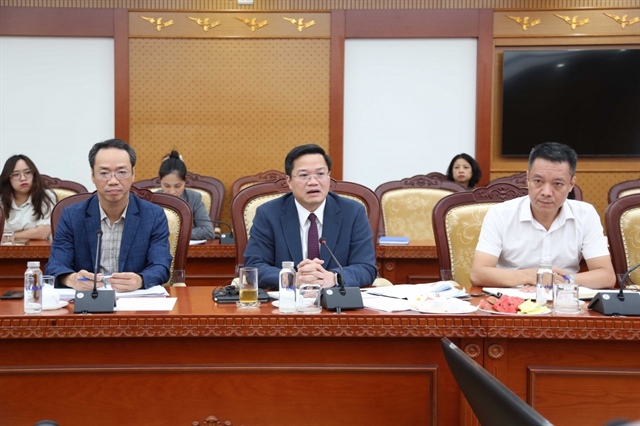
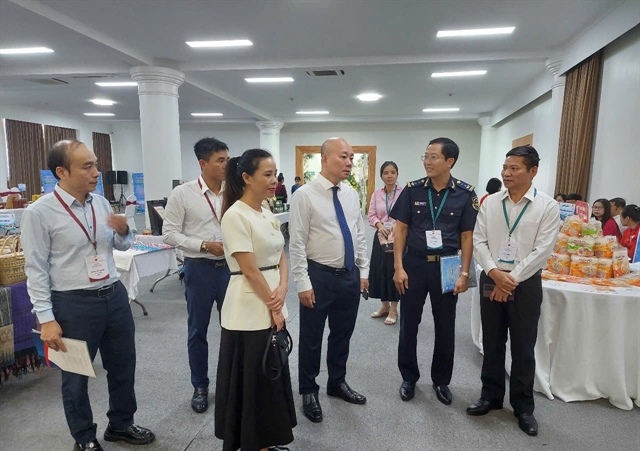
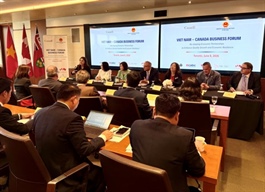
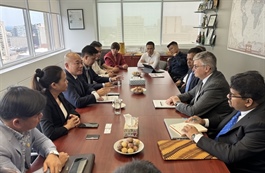
Participants attending the meeting |
Participants engaged in frank and substantive discussions, proposing practical and actionable recommendations to improve public financial management, advance institutional reforms, support sustainable economic growth, and help realise Vietnam’s development objectives in the new phase.
Addressing the meeting, Deputy Minister Nguyen Duc Tam expressed appreciation for the practical and effective support provided by the EU Delegation to Vietnam for the country in general, and the finance sector in particular.
On behalf of the Ministry of Finance’s leadership, Tam voiced strong agreement with the EU Delegation’s view that the Comprehensive Strategic Partnership should be translated into concrete activities and measurable outcomes, thereby deepening bilateral cooperation.
While commending the EU’s strong commitment to the partnership, Deputy Minister Tam also acknowledged the efforts of the Project Steering Committee.
“Although this was the first Steering Committee meeting and the initial implementation phase encountered certain challenges, the project activities have generally remained on schedule,” he said.
|
Deputy Minister of Finance Nguyen Duc Tam addresses the meeting |
To ensure the completion of the remaining 28 activities out of a total of 38 before the project closes in September 2027, Tam proposed that the Steering Committee shift from the original annual meeting schedule to quarterly meetings.
“The new arrangement would facilitate the timely resolution of implementation delays, while technical working groups should be encouraged to maintain regular online meetings to ensure smooth two-way communication,” he said.
Providing further technical guidance, the MoF deputy minister noted that planning management activities should be integrated more flexibly.
Efforts to disseminate legal regulations and provide guidance on the Law on Planning should be combined with consultations on related implementing decrees to optimise both time and efficiency.
He also called for the proposed planning database framework to be finalised and clarified at an early stage, enabling input data to be transferred to the MoF’s Department of Information Technology and Digital Transformation for implementation.
The deputy minister further stressed the need to mobilise legal experts in a timely manner.
“Where legal issues have already been resolved internally by the Ministry of Finance, the Project Steering Committee should proactively and flexibly reallocate expert resources to other priority areas to avoid inefficiencies,” he said.
Meanwhile, Ambassador Julien Guerrier reaffirmed the EU’s commitment to continuing cooperation with the Ministry of Finance and supporting the project’s next phases, alongside other priority activities outlined in the agreed work plan.
He noted that Component 2 of the project, covering business environment reform, planning management, public investment management, and public procurement, is being implemented under the Vietnam-EU cooperation framework to strengthen economic governance, encourage sustainable development, and enhance inclusiveness in Vietnam.
According to the consulting team’s assessment, most key activities – including improvements in planning management, stronger public investment management, and the development of a transparent public procurement system – have already had their reference terms prepared, approved and implemented. Numerous studies, technical workshops and capacity-building activities have also been executed.
However, several important components, such as those related to public investment and digital transformation, remain in the preparation stage or still in the development pipeline.
- 13:39 11/06/2026