Outlet, duty-free shops mulled to boost consumption, tourism
Outlet, duty-free shops mulled to boost consumption, tourism
Developing outlet centres and duty-free stores is not just about expanding distribution channels, but about building a modern retail ecosystem that can spill over into logistics, tourism and services.
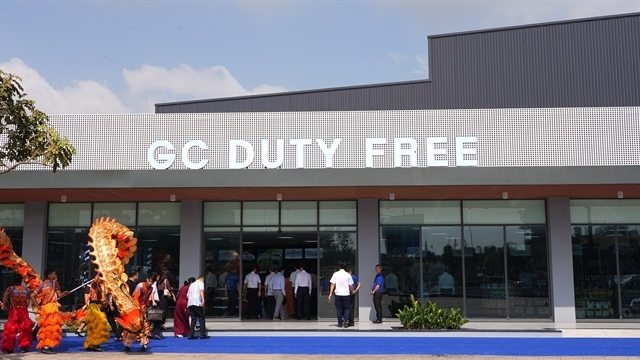
A duty -free store at Mộc Bài International Border Gate, Tây Ninh. — VNA/VNS Photo |
Việt Nam is looking to develop outlet models and duty-free stores as part of a strategy to modernise its retail sector and drive tourism-linked consumption growth through 2030, the Ministry of Industry and Trade has said.
The move aims to address the structural market gaps of the fast-growing retail sector and pressure to adapt to shifting consumer demand.
“Developing outlet centres and duty-free stores is not just about expanding distribution channels, but about building a modern retail ecosystem that can spill over into logistics, tourism and services,” Trần Hữu Linh, director of the ministry’s Domestic Markets Department, said.
The ministry pointed out that despite annual growth of 8-10 per cent over the past decade, the market lacks large-scale, modern retail formats capable of shaping consumer trends and anchoring long-term development.
Outlet retail, a strategic distribution channel globally, remains underdeveloped in Việt Nam, with most being fragmented and small in scale.
As consumer behaviour evolves, this gap is becoming more noticeable. Việt Nam is projected to have more than 50 million middle-class consumers, a group that combines strong brand awareness with sensitivity to pricing. This is the key target segment for outlet retail.
At the same time, Việt Nam is underperforming in tourism-related spending with expenditure by international visitors averaging at just around US$1,050–$1,150 per trip, significantly lower than in regional peers such as Thailand and Singapore, highlighting untapped potential in retail-driven tourism.
Global outlet retail remains a sizeable market, generating about $65 billion annually in the US, while Europe recorded 21.4 billion euros ($23 billion) in 2023 as sales recovered after the pandemic. In Asia, countries such as Japan, China and Thailand have increasingly linked outlet centres with tourism, turning them into broader lifestyle destinations.
Approaches to duty-free retail differ, with the US favouring a market-led model, the EU maintaining tighter controls and the Republic of Korea expanding rapidly on the back of international visitor demand.
Under the draft plan on developing outlet models and duty-free stores in Việt Nam by 2030 with a vision to 2045, Việt Nam aims to establish at least five outlet centres linked to tourism hubs by 2030, including in Hà Nội, HCM City, Đà Nẵng, Quảng Ninh and An Giang. By 2045, the country plans to develop high-end 'outlet villages' in its three regions.
The plan outlines two main development models for outlet retail.
The first is large-scale 'premium outlet villages' designed as integrated complexes combining shopping, entertainment and cultural experiences, targeting mid- to high-end consumers while serving as tourism destinations.
The second is urban or suburban outlet centres, offering more flexible scales focused on mid-range and mass-market brands, tailored to local consumer demand, land availability and infrastructure conditions.
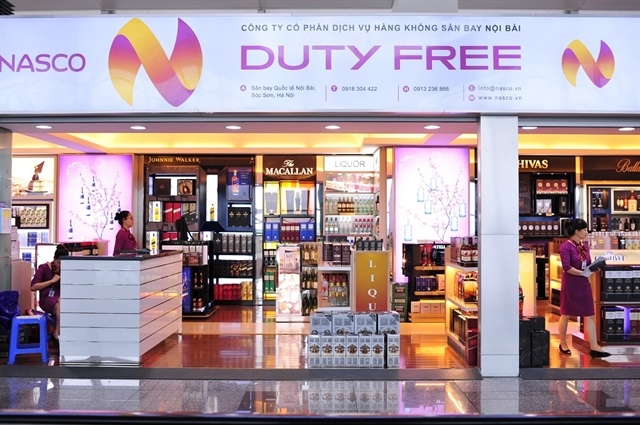
A duty -free store at Mộc Bài International Border Gate, Tây Ninh. — VNA/VNS Photo |
For duty-free retail, the goal is to achieve full coverage at all international airports and major border gates, while expanding into downtown areas in key tourism centres.
Notably, the draft proposed allowing both international and eligible domestic consumers to access duty-free benefits to broaden the consumption space.
Another key target is to increase the share of Vietnamese products in outlet and duty-free channels to 30-40 per cent, alongside developing internationally standardised 'national gift' product lines to promote local brands and boost on-site exports.
Policy push needed
The ministry estimated that if implemented effectively, the models could generate around VNĐ579 trillion ($23 billion) in direct revenue, equivalent to roughly 10 per cent of the retail market’s growth.
However, an incomplete legal framework continues to deter investment.
Lê Hồng Thủy Tiên, CEO of multi-industry corporations IPPG, pointed to a key paradox that while Việt Nam is a major manufacturing hub, the country lacks fully developed outlet centres due to the shortage of policies to attract international brands.
To unlock the market potential, it is necessary to raise practical measures, including preferential access to land for strategic investors, tailored discount policies suited to outlet retail, and on-site electronic VAT refunds to enhance shopping experience.
For duty-free retail, enterprises proposed operations to be expanded beyond airports into free trade zones, together with the development of e-commerce channels and integrating international payment systems.
The HCM city has proposed a 'buy-downtown, collect-at-the-airport' duty-free scheme and mechanisms to select strategic investors.
Besides tax and land incentives, it is necessary to develop a transparent, stable and workable legal framework as the foundation for attracting investment and ensuring the long-term sustainability of the model.
- 08:05 16/04/2026