New EU residue rules push changes at the source of production
New EU residue rules push changes at the source of production
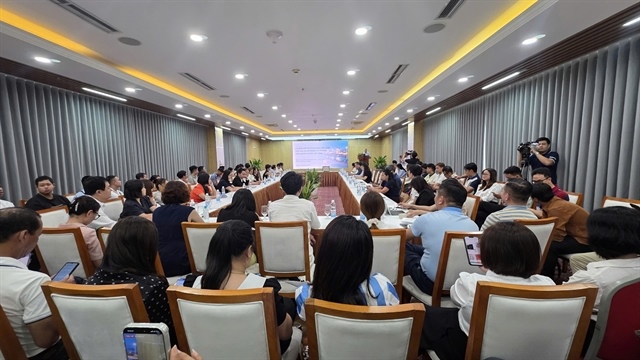
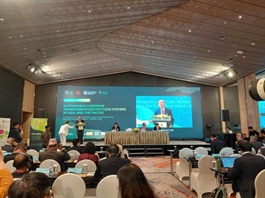
The Plant Production and Protection Department held a conference on Wednesday to update stakeholders on the EU’s draft regulations, while also discussing solutions for safe production, residue reduction, and proactive export risk management.
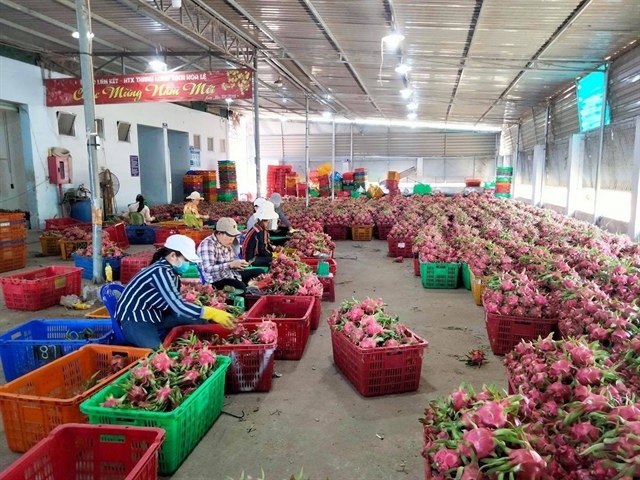
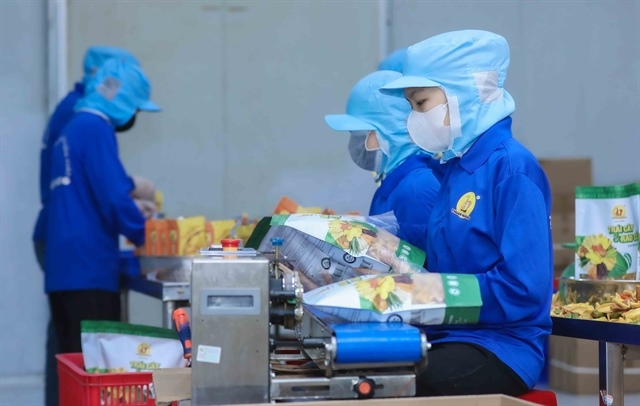
Việt Nam is currently one of the world’s leading agricultural exporters, with key products such as coffee, pepper, and fruits. — VNA/VNS Photo |
Draft regulations from the European Union (EU) on pesticide residues are putting mounting pressure on Vietnamese agricultural exports, forcing businesses to rethink production from raw material sourcing to processing if they hope to maintain market share.
The Plant Production and Protection Department held a conference on Wednesday to update stakeholders on the EU’s draft rules, while discussing solutions for safe production, residue reduction and proactive export risk management.
In his opening remarks, Deputy Director Nguyễn Quý Dương said food safety was no longer merely an internal requirement but a mandatory condition for Việt Nam to retain its place in the global agricultural supply chain.
Việt Nam is among the world’s leading agricultural exporters, with key products including coffee, pepper and fruits. Coffee exports alone exceeded US$8 billion last year. The EU remains a vital market alongside China and the US, but it is also one of the most demanding in terms of standards.
“The general trend is that countries are tightening import regulations,” Dương said.
The EU’s draft Omnibus package on food safety includes a shift in approach to maximum residue levels (MRLs).
“This is a legitimate requirement to protect consumer health, but it also creates significant pressure on Việt Nam’s exports,” he said.
A major change is the shift from a risk-based to a hazard-based approach. Any substance deemed inherently harmful, such as those linked to cancer, hormone disruption or environmental damage, could be banned or face stricter limits.
The EU also proposes a default level of 0.01 mg/kg for substances that are not approved, effectively a zero threshold allowing almost no margin of error. The import tolerance mechanism may be phased out, aligning standards between domestic and imported goods.
Many commonly used active substances are at risk, including chlorpyrifos, neonicotinoids such as clothianidin, thiamethoxam and imidacloprid, and mancozeb. Regulations are also product-specific rather than uniform; the same substance may have different residue limits for vegetables, fruits, coffee or pepper, requiring businesses to review standards for each product carefully.
Experts emphasised the need to control quality from the raw material stage. Companies must fully understand production processes, chemical usage, pre-harvest intervals and allowable thresholds for each market.
Businesses also need to identify target markets clearly, tailoring production to meet their specific standards. In a context of increasingly fragmented global rules, producing under a single standard for multiple markets is becoming less feasible.
On the policy front, the draft Omnibus package was notified to the World Trade Organization on January 29, with a consultation period until March 30. Authorities have urged localities, associations and businesses to submit feedback by March 26 for consolidation. Lack of response is considered consent under international practice, making this a key opportunity for Việt Nam to protect its agricultural interests.
Experts warn that as standards tighten, adaptation is no longer optional. Businesses must update regulations, adjust production, limit unsuitable substances and strengthen supply chain links to ensure quality and maintain export competitiveness.
- 17:06 25/03/2026