Fresh pathways laid out for industrial ties with Germany
Fresh pathways laid out for industrial ties with Germany
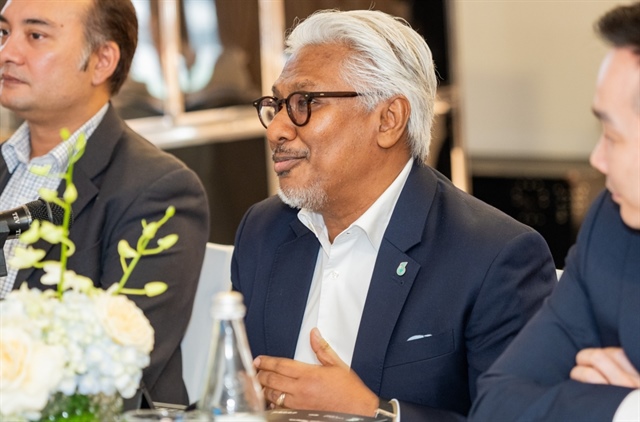
Vietnam and Germany are boosting ties in industrial development. Peter Kompalla, chief representative of the Delegation of German Industry and Commerce in Vietnam (AHK Vietnam), underscores Vietnam’s industrial transition as new pathways for bilateral cooperation.
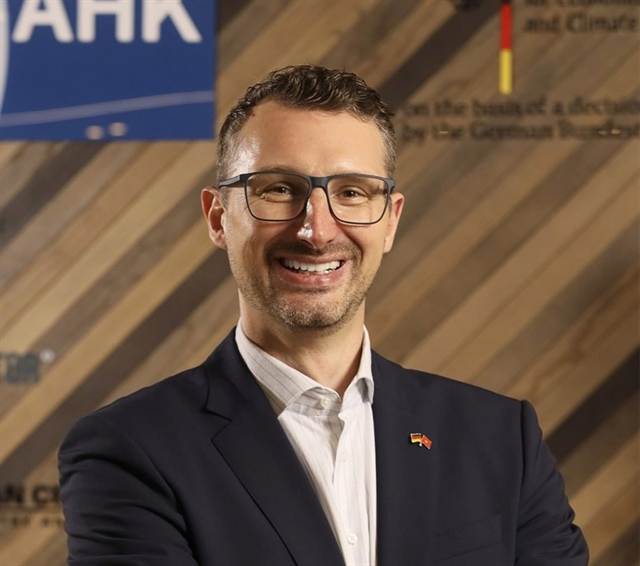
Peter Kompalla |
Vietnam enters 2026 with continued economic momentum and a business environment that is shaped by long-term structural priorities. These developments are closely linked to one of the core strategic directions set out at the 14th National Party Congress: the establishment of a new growth model based on the knowledge economy, digital economy, green economy, and circular economy.
In this context, industrial activity remains strong, investment continues across manufacturing and infrastructure, and planning horizons for many enterprises have become more stable, even as global economic conditions remain challenging.
Vietnam’s attention is increasingly focused on execution and quality: how regulatory direction translates into operational clarity, how projects are assessed, and how long-term competitiveness is strengthened. For German companies active in Vietnam, these same developments influence how risks are evaluated, investments structured, and long-term engagement planned. The interaction between these perspectives is contributing to a business environment that places greater emphasis on productivity, technological capability, and sustainability.
Vietnam’s recent policy initiatives are well understood domestically. Their relevance for enterprises lies primarily in how they affect daily operations, approval processes, and investment timelines. Measures that strengthen the role of the private sector, promote innovation and efficiency, and clarify cooperation between public authorities and enterprises are gradually shaping expectations for companies operating on the ground.
Businesses can expect greater predictability in regulatory procedures and incentive structures, while provincial authorities increasingly emphasise project quality, technological content, and long-term viability when evaluating investment proposals. From the perspective of German investors, these shifts support more reliable planning assumptions, particularly for projects involving complex technologies, higher capital intensity, or longer payback periods.
Developments in the financial sector, including plans related to the establishment of an international financial centre, and refinements in the investment framework for high-technology and digital infrastructure projects, form part of this broader adjustment. For German industrial groups, technology providers, and financial institutions, these steps indicate a gradual alignment of Vietnam’s regulatory and financial systems. This makes it easier to plan and implement more complex industrial and infrastructure projects.
Upgrading in practice
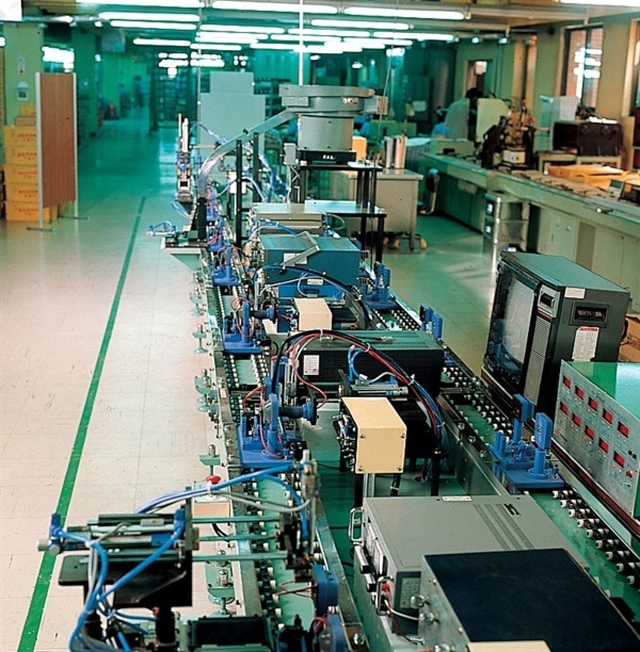
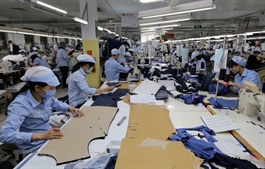
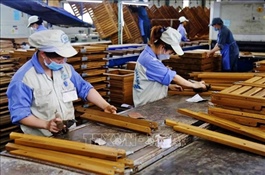
Manufacturing remains central to Vietnam’s development strategy. Across sectors such as electronics, automotive, and packaging, Vietnamese manufacturers are upgrading production incrementally, combining existing processes with new technologies. Automation and digital systems are increasingly considered within a broader management context, linked to labour availability, rising wages, quality assurance, export compliance, and delivery reliability.
This step-by-step approach favours modular and scalable solutions that can be integrated into existing production environments. As a result, collaborative robots, flexible automation systems, and digital production tools are gaining traction, allowing companies to improve productivity while maintaining operational adaptability. Vietnamese manufacturers play an active role in evaluating and selecting solutions that fit their specific production conditions and workforce capabilities.
German suppliers and system integrators are increasingly involved in this process, adapting technologies and service models to local requirements. This interaction is reflected in practical exchange formats such as the Factory Automation – Made in Germany Symposium organised by AHK Vietnam, which in 2025 brought together more than 100 industry professionals to discuss application-oriented automation solutions for Vietnamese manufacturing.
Building on this response, the 2026 edition in May is planned with a stronger focus on concrete use cases, system integration, and operational requirements. In parallel, AHK Vietnam is preparing a German Pavilion at the Vietnam Industrial and Manufacturing Fair in Bac Ninh in November, providing a shared platform for dialogue between Vietnamese manufacturers and German technology providers.
These industrial developments are supported by continued strong foreign direct investment into technology-intensive manufacturing. In 2025, realised foreign direct investment into Vietnam reached approximately $27.6 billion, with more than 80 per cent flowing into the manufacturing and processing sector. This underlines sustained investor interest in industries that are strengthening productivity and competitiveness through automation, digitalisation, and process upgrading.
At the same time, Vietnam has introduced clearer legal frameworks for digital technologies and AI. Clearer guidance on approvals, compliance obligations, and incentive conditions reduces uncertainty for companies with long planning horizons and high compliance requirements. Together, automation and digital governance are supporting Vietnam’s objective of moving from labour-intensive production towards more advanced, technology-driven manufacturing.
System reliability
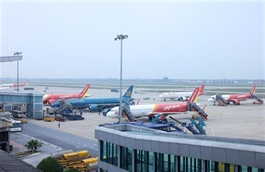
Industrial upgrading is closely linked to infrastructure development. Vietnam continues to invest in transport connectivity, logistics, and maritime infrastructure as part of its broader trade and industrial strategy. Developments in the Cai Mep deep-sea port area underline the importance of modern port infrastructure, shipbuilding, and maritime services for an export-oriented economy.
At the same time, large-scale transport projects such as Ho Chi Minh City’s Ring Road 3 are intended to improve freight movement between industrial zones, ports, and logistics centres, easing pressure on existing routes and strengthening domestic connectivity. From the Vietnamese partners, attention is increasingly directed towards system reliability, maintenance, and long-term operational performance, alongside capacity expansion.
Vietnam’s evolving business and investment environment reflects an ongoing process of structural adjustment rather than a single policy shift. Clearer frameworks, incremental industrial upgrading, and sustained infrastructure investment are shaping how enterprises operate and how partnerships are formed.
For German investors and enterprises, engagement in Vietnam is increasingly influenced by how well projects align with these developments – particularly in terms of productivity, skills development, sustainability, and system reliability. At the same time, Vietnamese companies and authorities are setting higher expectations for quality, performance, and long-term commitment from their partners.
- 15:18 06/03/2026