Fisheries sector proactively adjusts to emerging challenges
Fisheries sector proactively adjusts to emerging challenges
US regulatory agencies are tightening controls on imported seafood products, while geopolitical instability in the Middle East is beginning to affect global supply chains and logistics costs.
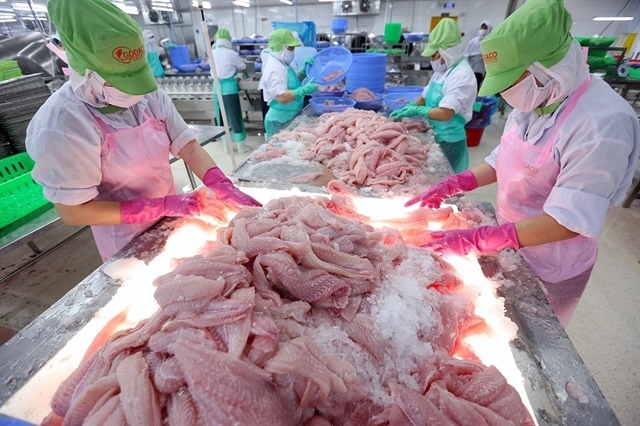
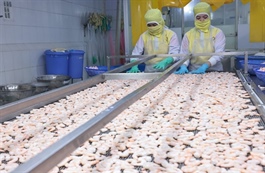
A tra catfish processing line at Gò Đàng Tiền Giang Joint Stock Company in the Mekong Delta province of Đồng Tháp. Against a backdrop of tightening technical barriers, exporters are advised to review their entire supply chain management processes — VNA/VNS Photo |
Việt Nam’s fisheries sector is facing a range of new challenges that not only heighten risks to export activities but also impose stricter requirements on enterprises in terms of quality control, traceability and adaptability to fluctuations in international transport.
US regulatory agencies are tightening controls on imported seafood products, while geopolitical instability in the Middle East is beginning to affect global supply chains and logistics costs.
US strengthens technical barriers
Since early March this year, US authorities have intensified oversight of imported seafood, particularly regarding food safety, traceability and environmental compliance.
According to the Việt Nam Association of Seafood Exporters and Producers (VASEP), numerous import warnings are being applied under the Detention Without Physical Examination (DWPE) mechanism, which allows the US Food and Drug Administration (FDA) to hold shipments at ports of entry without physical inspection. Once a company or processing facility is placed on the “Import Alert” list, its subsequent consignments may be detained until evidence demonstrating full compliance with FDA requirements is provided. This mechanism significantly increases risks for exporters, as prolonged clearance times not only generate additional storage costs but may also disrupt delivery schedules and damage commercial credibility.
In addition to food safety regulations, the US continues to closely monitor the origin of imported seafood through the Seafood Import Monitoring Programme (SIMP) administered by the National Oceanic and Atmospheric Administration (NOAA). Requirements linked to the Marine Mammal Protection Act (MMPA) are also a major concern for businesses.
Against a backdrop of tightening technical barriers, exporters are advised to review their entire supply chain management processes, from controlling antibiotic residues in raw materials and complying with Hazard Analysis Critical Control Point (HACCP) standards to ensuring clear product traceability.
Logistics pressures mount
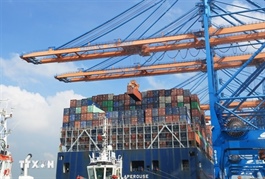
Alongside challenges from the US market, the sector is also being affected by geopolitical instability in the Middle East – a region that is playing an increasingly important role in Việt Nam’s export structure. Customs data show seafood exports to the Middle East rising from approximately US$197.7 million in 2020 to more than $401 million in 2025, with key products including tra fish, tuna, shrimp and molluscs.
Industry feedback indicates that refrigerated container shipping costs may increase by around $2,000 – 4,000 per container, excluding additional surcharges related to war risk and fuel. With oil prices trending upward, logistics cost pressures on exporters are expected to intensify further.
Lê Hằng, Deputy General Secretary of VASEP, said the impact of Middle East tensions varies across product groups. For shrimp, the most immediate effects are higher transport costs and longer delivery times, directly squeezing profit margins.
For tra fish (pangasius), the Middle East is a crucial market, meaning transport disruptions could hinder exports, particularly as demand in several other major markets shows signs of slowing. Tuna, meanwhile, is strongly affected by fuel price volatility and logistics costs; rising oil prices increase fishing expenses, pushing up raw material prices.
From a more positive perspective, Nguyễn Hà, a tuna market specialist, noted that geopolitical instability can boost demand for long-shelf-life foods such as canned tuna. For years, canned tuna has been a staple emergency food across the Middle East, Africa and parts of Europe. In addition to consumer stockpiling, humanitarian aid programmes in conflict zones frequently rely on canned seafood because of its convenience and high nutritional value.
Nevertheless, higher logistics costs may still erode profit margins for tuna processors, particularly for long-term export contracts signed prior to the recent surge in transport expenses, she noted.
- 09:42 17/03/2026