Exporters brace for disruption as Middle East conflict escalates
Exporters brace for disruption as Middle East conflict escalates
Executives across sectors including furniture, seafood, agriculture and cashews said customers in the region were adopting a cautious stance, with some shipments delayed but few outright cancellations so far.

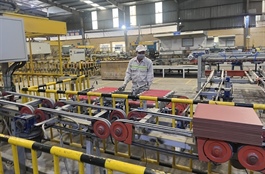
Cashews are processed by workers at Hoang Son 1 JSC in Đồng Nai Province. — Photo courtesy of the company |
Vietnamese exporters are reporting early signs of disruption as military conflict in the Middle East escalates, though they say that the impact remains limited for now but could change depending on how the situation develops.
Adopting wait-and-see approach
Executives across sectors including seafood, agriculture, cashews, fruits and vegetables and garment and furniture said customers in the region were adopting a cautious stance, with some shipments delayed but few outright cancellations so far.
Đặng Minh Lành, director of the HCM City-based New Golden Bridge Co, said that orders currently being exported were experiencing delays due to the conflict, especially in transportation.
However, for orders scheduled for export in the near future, his company's partners had not yet provided any new feedback, meaning there had been no adjustments or cancellations, Lành told Người Lao Động (The Labourers) newspaper.
Trần Quốc Mạnh, chairman of Sai Gon Trade and Production Development Corp, said some customers had requested delayed delivery schedules to monitor developments.
If the conflict intensifies, Mạnh warned, global supply chains could face greater strain, pushing up shipping fees, oil prices and input costs.
He spoke to The Labourers that deeper US involvement could indirectly weigh on demand in the US, affecting Vietnamese exports to major markets, and called for timely government support measures if instability persists.
Shipping suspensions add pressure
Global shipping lines have begun suspending services to the Middle East, further heightening concerns among exporters.
Sweden's MSC Mediterranean Shipping Co said it would temporarily suspend all cargo bookings from around the world to the Middle East from March 1 until further notice, citing security risks.
Given the increasingly complex security situation in the Middle East, the safety of their crew would remain the top priority, the company said, adding it would resume bookings once conditions permit.
Dubai-based port operator DP World said operations at Jebel Ali Port, one of the region’s largest transhipment hubs, had been temporarily suspended as a precautionary measure in line with directives from authorities.
DP World said it was working closely with relevant agencies and implementing various protective measures to ensure the safety and security of its employees, customers and partners.
Phạm Văn Xô, chairman of the Ho Chi Minh City Import-Export Association, warned the situation could mirror the 2023-24 Red Sea crisis, when many carriers avoided the Suez Canal, driving up freight rates and extending delivery times.
Việt Nam’s exports to Middle Eastern and Gulf countries ranked among its largest markets after the US, he said, adding that booking suspensions or sudden surcharges by shipping lines would place heavy cost pressures on domestic exporters.
According to the chairman, shipping costs are likely to increase sharply and additional surcharges may be imposed at short notice.
In the seafood sector, the Middle East has been identified as an emerging market under Việt Nam’s export diversification strategy, with export turnover reaching about US$366 million in 2024, according to the Vietnam Association of Seafood Exporters and Producers (VASEP).
Lê Hằng, deputy secretary general of VASEP, said it would take several days to compile official data from member companies on the impact.
However, she said businesses had anticipated risks including rising fuel costs, higher sea freight rates, shipping route adjustments and potential declines in regional purchasing power if instability continues.
In agriculture, Lê Văn Nam, director of Hai Dinh Food Co in Đồng Tháp Province, said the Middle East was an important market for seedless lemons. He recently decided to suspend sample shipments to the region due to forecasts of instability and shift focus back to traditional European partners.
Meanwhile, Tạ Quang Huyên, general director of Hoang Son 1 JSC in Đồng Nai Province, said the Middle East accounted for only a small share of his company’s sales. However, he noted the region remained significant for Việt Nam’s broader cashew industry.
For now, his firm was mainly updating information from partners and monitoring the situation, Huyên said, adding that there had been no major changes in export activities. But he said that prolonged instability would be unavoidable force majeure risk.
For the fruit and vegetable sector, General Secretary of the Vietnam Fruit and Vegetables Association Đặng Phúc Nguyên analysed that rerouting vessels away from the Red Sea had lengthened shipping times by many days, raising costs for refrigerated containers and cargo insurance.
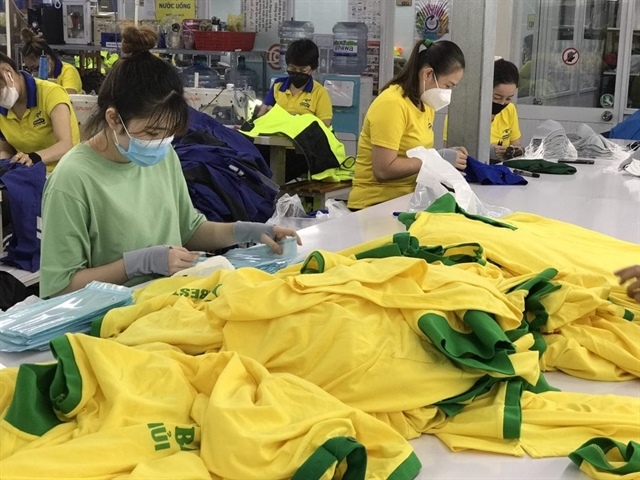
Cashews are processed by workers at Hoang Son 1 JSC in Đồng Nai Province. — Photo courtesy of the company |
According to Phạm Quang Anh, General Director of Dony Garment Co in HCM City, Jordan makes up almost 20 per cent of his company’s export revenue, with most shipments transiting the Red Sea.
Containers are still rolling out on time with zero cancellations so far, but he’s staring down possible 15-to-20-day delays that could leave retailers high and dry during peak shopping seasons. If disruptions persist for months, the impact would extend to customers’ entire business cycle.
Cat Van Loi Co already shipped its first load of equipment and parts for a thermal power plant in Saudi Arabia and is pushing ahead with the rest in stages. Even with phased contracts, the company warned that sharp hikes in freight surcharges and longer shipping times were threatening to tank the whole project efficiency.
Energy market risks loom
Beyond trade, Việt Nam’s fuel industry warned of broader energy market risks if tensions escalate further.
Trịnh Quang Khanh, permanent vice chairman of the Vietnam Petroleum Association, said a scenario in which Iran closes the Strait of Hormuz would have severe consequences.
The waterway handles roughly 20 per cent of global oil demand, making it one of the world’s most critical energy transit chokepoints. Any disruption could trigger a sharp surge in global crude prices, he told The Labourers.
Amid increasingly complex geopolitical developments, the global energy market would face unpredictable risks, Khanh added.
Domestic fuel companies have prepared supply plans, but rapid increases in global oil prices could create financial strain if local retail prices are not adjusted quickly under Việt Nam’s fixed pricing cycle. In such cases, wholesalers may cut discounts to retailers, leaving many fuel stations operating at a loss, according to Khanh.
Khanh urged regulators to consider a more flexible pricing mechanism, shortening the current seven-day adjustment cycle to help businesses offset rising costs more promptly.
Reducing financial pressure would allow companies to secure supply and ensure stable distribution in the domestic market, he said.
Suspension of tours to several Middle Eastern destinations
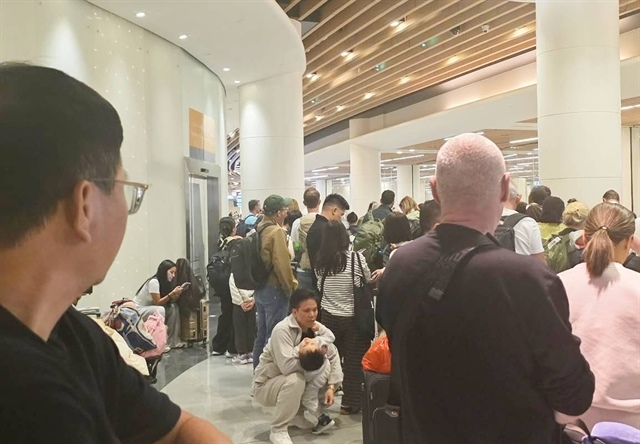
Cashews are processed by workers at Hoang Son 1 JSC in Đồng Nai Province. — Photo courtesy of the company |
The tourism sector has also begun to feel the impact of escalating tensions, with several travel firms suspending tours to selected destinations in the region.
On March 2, multiple travel companies in HCM City said they had temporarily halted tour packages to certain Middle Eastern locations. Firms have also activated contingency plans for tour groups already in the region, including those transiting through Dubai.
The Middle East has grown in popularity among Vietnamese travellers in recent years, particularly combination itineraries linking Dubai, Abu Dhabi and Egypt.
However, as tensions rise, many customers have requested to postpone departures, cancel trips or seek refunds, according to tour operators. Companies said they were prioritising traveller safety while managing additional costs and contractual obligations stemming from itinerary changes.
Authorities urge vigilance and diversification
Amid the escalating tensions, the Vietnamese Trade Office in Israel has advised domestic exporters to closely monitor developments and take precautionary steps to protect their interests.
The office recommended maintaining regular contact with shipping lines and buyers, particularly for cargo already in transit, to promptly address issues related to import-export contracts and minimise potential losses. Businesses were also urged to insure shipments against unforeseen risks.
In addition, exporters were encouraged to diversify supply sources and seek alternative markets with similar demand to reduce reliance on the Middle East and cushion the impact of any prolonged disruption to trade flows.
Earlier, the Ministry of Industry and Trade urged industry associations and enterprises to take proactive measures amid escalating tensions in the Middle East that threaten to disrupt transport routes and increase logistics costs.
The ministry warned that global prices for fuel, crude oil and consumer goods could rise in the near future, indirectly affecting Việt Nam’s production, import-export activities and trade ties with partners in the region.
Higher fuel prices are expected to drive up sea freight and air cargo rates, with direct implications for shipping routes to the Gulf. Transport through the Strait of Hormuz has reportedly been severely disrupted following airstrikes targeting Iran, raising concerns over supply chain stability.
In response, the ministry’s Agency of Foreign Trade has asked export-import and logistics associations to closely monitor developments and maintain regular communication with State management agencies to provide timely updates to their members.
Enterprises are advised to proactively adjust production plans and organise import-export and transport activities to avoid congestion and reduce potential losses linked to the conflict.
- 07:56 04/03/2026