China tightens rules on imported food from Việt Nam
China tightens rules on imported food from Việt Nam
GACC has introduced stricter requirements on declarations, registration validity and supply chain control. The rules will take effect from June 1.

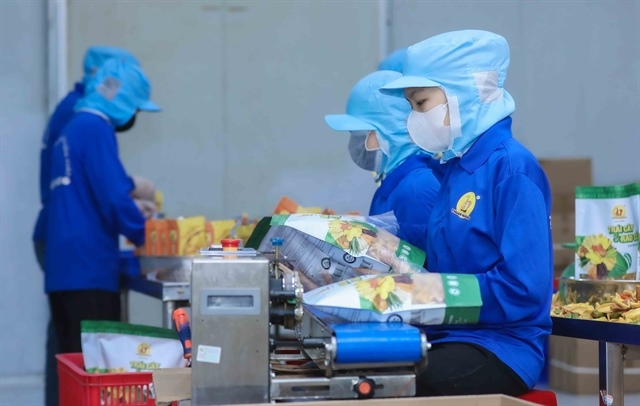
GACC has also announced that certain products will not be eligible for automatic renewal of registration, including meat and meat products, bird’s nests, and related products. — Photo baochinhphu.vn |
Việt Nam’s key agricultural and food exports face significant changes as China’s General Administration of Customs (GACC) introduces stricter regulations on the registration of overseas food manufacturers, set to take effect on June 1.
The new rules impose tighter requirements on declarations, registration validity and supply chain control. According to GACC, imported food products requiring registration through competent authority recommendations include a broad range of goods such as meat and meat products, bird’s nests, honey products, eggs, cooking oils, grain-based foods, dried vegetables, powdered spices, nuts, dried fruits, special dietary foods, functional foods, dairy products and seafood.
The list will operate under a dynamic update mechanism, meaning it may be adjusted, expanded or narrowed based on risk assessments, food safety data and international practices. Certain products, including meat and meat products and bird’s nests, will no longer be eligible for automatic registration renewal and will face stricter controls.
The scope of registration has also been extended to storage facilities. Overseas cold storage warehouses used for preserving terrestrial and aquatic animal products must now be registered with GACC. Import declarations must be detailed and accurate, as any failure to meet requirements will be rejected, with false declarations or fraud subject to penalties under Chinese law.
For enterprises registered through competent authority recommendations, their products manufactured may still be imported even if the code has expired, provided the products are within their shelf life. Self-registered enterprises, however, must ensure their registration codes are valid at the time of import; expired codes will lead to shipment rejection. Shipments dispatched before a company’s registration is suspended, revoked or cancelled may still be cleared as usual.
Experts say the regulations signal China’s shift toward a system- and supply chain-based management model, focusing not only on individual shipments but on the traceability and validity of entire production, registration and supply chain systems.
The Việt Nam SPS Office said it will coordinate with relevant agencies to provide detailed guidance for businesses next month to support implementation.
- 09:10 27/03/2026