Harnessing technology for a sustainable future in Vietnam
Harnessing technology for a sustainable future in Vietnam
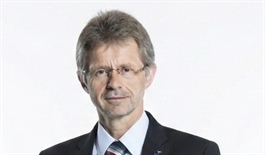
Siemens is driving Vietnam’s green growth through digital innovation. From advanced automation to digital twin technology, the company helps industries boost efficiency, cut emissions, and build resilience. Thai-Lai Pham, president & CEO of Siemens ASEAN & Vietnam, shared with VIR’s Olivia Bui how company global sustainability strategies are shaping Vietnam’s transformation.
Could you shed some light on the role of technology in driving sustainable development?

Thai-Lai Pham |
Technology is the backbone of sustainable development. At Siemens, we believe that combining the real and digital worlds is key to creating resilient and competitive industries. Innovations such as AI, big data, and real-time analytics enable businesses to optimise processes, reduce waste, and minimise emissions.
While adopting new technologies requires upfront investment, the benefits far outweigh the initial costs. A holistic view of the technology lifecycle is essential. In most cases, investments are recouped within 1–5 years, depending on project scale and nature.
Think of it like building a highway: the initial cost is significant, but the long-term benefits last for decades. Technology works the same way – it’s a strategic investment for sustainable growth.
How does a comprehensive digital twin unlock sustainability potential?
Digital twin technology is a game-changer. It creates a dynamic virtual representation of physical assets, enabling real-time interaction and optimisation.
With digital twins, businesses can simulate entire processes, from building design to manufacturing systems, before implementation. This approach reduces errors, saves time, and cuts costs. Once operational, the digital twin connects to live data such as energy consumption and occupancy, allowing predictive maintenance and early issue detection.
What does the adoption of digital twins look like in the real world?
Buildings account for nearly 40 per cent of global carbon emissions. By creating a digital twin of a building, we can simulate its design, energy flows, and operational efficiency before construction begins.
Siemens’ Building X platform exemplifies this approach. It aggregates data, applies advanced analytics, and provides full visibility of energy consumption across factories, offices, and commercial spaces. Operators can pinpoint inefficiencies, optimise cooling and heating, and implement predictive maintenance, all contributing to lower emissions and cost savings.
Can you suggest some solutions for the Vietnamese government to boost the local business environment to attract more sustainable foreign investment?
Vietnam has made impressive strides in economic reform over the past 12–16 months, creating a more attractive environment for foreign investors. Siemens has been in Vietnam for over 30 years, operating a manufacturing facility that not only serves the domestic market but also exports to ASEAN and beyond.
To boost investment, accelerating regulatory implementation and transparency will be critical. Vietnam’s commitment to sustainability and digital transformation positions it strongly to attract high-quality foreign funding.
At Siemens, we remain optimistic and committed to supporting Vietnam’s journey towards a greener, more competitive future.
Siemens has set ambitious global sustainability targets, including achieving net-zero across its value chain by 2050. How do these commitments translate into tangible actions for customers and partners in Vietnam?
We are investing heavily in technologies that matter most for sustainability – energy efficiency, electrification, renewable integration, and smart infrastructure. Our goal is to help customers avoid more emissions than Siemens produces.
In fact, globally, Siemens enabled customers to avoid 144 million tonnes of CO2e compared to 121 million tonnes generated.
Our global sustainability goals translate into real actions in Vietnam. We are reducing our own emissions – 90 per cent for Scope 1 and 2 and 30 per cent for Scope 3 by 2030 – while helping customers avoid more CO2 than we produce.
Through solutions like Building X and advanced automation, we enable energy efficiency, electrification, and smart infrastructure. These efforts support Vietnam’s transition to a greener, more competitive economy.
- 12:17 03/12/2025