Govt extends VAT relief on basic food items until 2028
Govt extends VAT relief on basic food items until 2028
The VAT exemption is a positive measure, but to make it more impactful, the government should also consider additional issues faced by traders, an expert says.
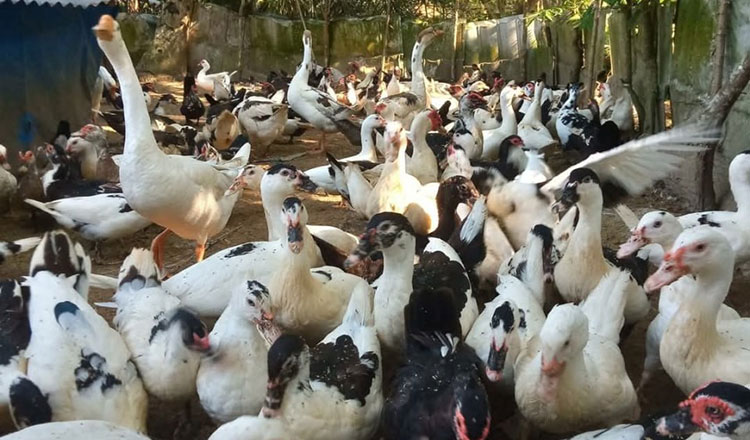
The Royal Government of Cambodia (RGC) has decided to exempt value-added tax (VAT) for locally produced food products, effective from January 1, 2026, until the end of 2028. In other words, citizens will not be paying VAT on essential locally produced foods during this period.
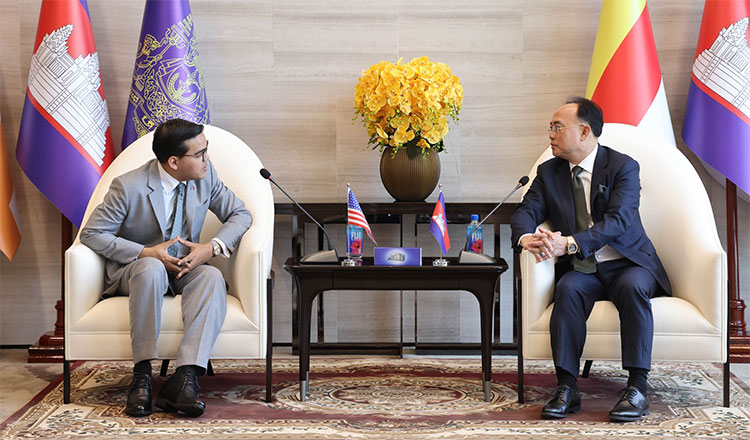
The measure was outlined in a Prakas signed by Deputy Prime Minister and Minister of Economy and Finance (MEF) Aun Pornmoniroth on November 17 and released yesterday.
According to the Prakas, the policy aims to help ease the cost of living by applying VAT to essential food items produced locally under the self-declaration tax regime, with the state taking responsibility for the tax.
The Prakas emphasised that the basic food items covered under the policy include livestock meat (fresh or processed by steaming, frying, or other methods), all types of livestock eggs (fresh or processed), fresh or saltwater fish, lobster, shrimp, clams, crabs, and shellfish (fresh or processed), all types of sugar (excluding candy), salt and fish sauce and soy sauce.
“The VAT burden will be covered by the state until the end of 2028. However, the policy does not apply to food supplied by restaurants,” read Prakas.
Seun Sam, a policy analyst at the Royal Academy of Cambodia (RAC), told Khmer Times that the government’s decision to exempt value-added tax (VAT) is a positive step. However, to make the policy more effective for local producers, he suggested that the government should also address other challenges faced by traders and producers.
He emphasised that local production faces a wide range of difficulties, not just VAT. These include high costs of raw materials, electricity, water, fertilizer, and labour force, as well as market access issues.
“So, in addition to exempting domestic producers from this tax, I think the government should try to solve more practical problems that local producers are facing,” Sam said.
“The VAT exemption is a good thing, but to make it more impactful, the government should also consider additional issues faced by traders, such as complex and time-consuming administrative procedures, high service fees, and other factors that limit production capacity. These are also areas where the state needs to pay attention.”
Speaking to Khmer Times, Pisey Kosal, co-founder and event director of the Khmer products promotion for One Village One Product, described the Royal Government’s move as a good decision.
He said it would help improve the lives of citizens, especially those with lower incomes, allowing them to buy goods at reasonable prices.
“The continued preferential treatment on value added tax (VAT) on basic food items is a real contribution to helping low-income citizens and is also an incentive for business owners or enterprises in these sectors, which can increase their sales,” he said, adding that the measure will be beneficial for consumers and producers alike.
It may be recalled that late last month, the RGC announced tax incentives for the agricultural sector, benefiting enterprises engaged in the cultivation, production, local supply or export of agricultural products.
Under this policy, the state will be responsible for covering the value-added tax (VAT), and the measure will be implemented starting January 1, 2026, until the end of 2027.
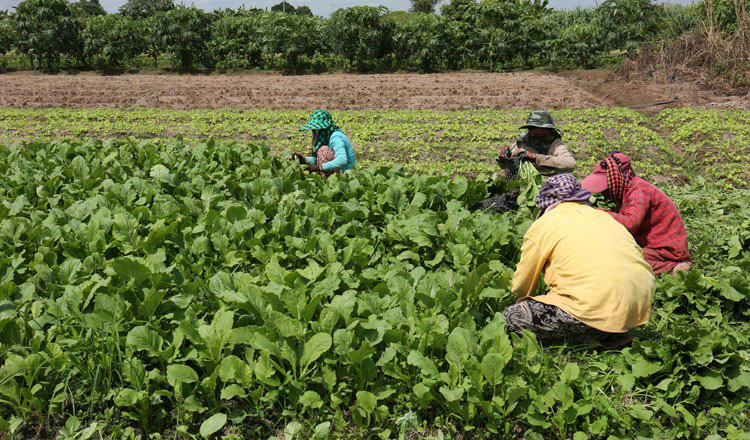
The tax incentives apply to the cultivation, production, domestic supply, or export of paddy, rice, corn, beans, pepper, cassava, cashew nuts, rubber, Pailin longan, mango, bananas, animal husbandry, aquaculture, and domestic palm oil products used as raw materials for animal feed production.
- 08:21 02/12/2025