Sustainability standards reshaping Vietnam’s trade landscape
Sustainability standards reshaping Vietnam’s trade landscape
As global markets tighten technical barriers and impose stricter sustainability standards, Vietnamese agricultural exporters are finding themselves at a critical crossroads.
The path towards international competitiveness is no longer defined merely by product quality or price, but by the ability to align with environmental and social responsibility. For many businesses, 'going green' has shifted from a strategic option to an unavoidable imperative.
In August, the GEVA project – 'Green Export Acceleration through Voluntary Sustainability Standards (VSS)' – launched a specialised training series in Ho Chi Minh City. The initiative represents a major step in equipping Vietnamese agribusinesses with the tools and knowledge required to meet the growing global demand for sustainable products.
|
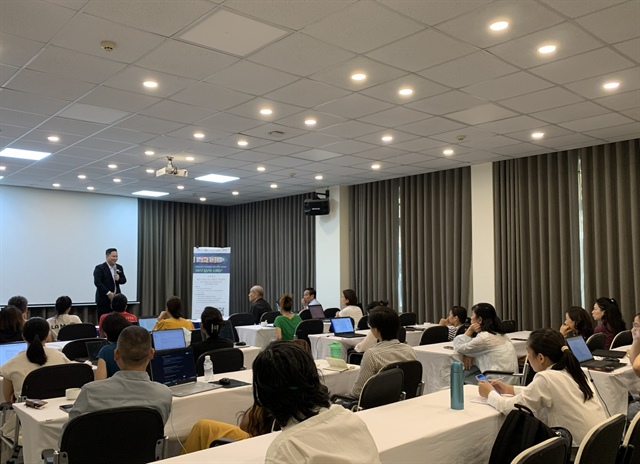
The four-session training course in Ho Chi Minh City drew participation from dozens of agricultural businesses, combining foundational theory with hands-on practice. The opening session, held on August 16 and led by Phan Dinh Tuan Anh, CEO and founder of Angel4Us, introduced participants to international business model frameworks and the integration of environmental, social, and governance (ESG) principles into corporate strategy.
“ESG is not just a checklist to make a company look good on paper,” Anh said. “It’s a compass that helps enterprises manage risks, enhance efficiency, and attract investment.”
Participants were guided through the Business Model Canvas framework and self-assessment tools, enabling them to evaluate their readiness for green export and identify both their strengths and critical areas for improvement.
One of the most common challenges for Vietnamese companies, as the training revealed, lies in choosing the right sustainability standards. With more than 400 different VSS currently in use worldwide, businesses can easily become overwhelmed by complexity and cost.
In a session on August 19 focused on the agriculture sector, Bui Khanh Tung, deputy director of the Centre for Organic Agriculture Development Support, helped demystify this process.
“Each market favours a different group of VSS, and each standard is linked to specific value chains and benefits,” Tung explained. “The more precisely firms understand and select the right standard, the more efficiently they can allocate resources and access their target markets.”
|
Through group discussions and case studies, participants learned how to integrate sustainability standards into their business models and recognised the tangible benefits of doing so – from improving operational efficiency to enhancing brand reputation abroad.
The programme also featured Le Sai Gon, director of the SIMEX Training and Export-Import Consulting Centre, who provided practical guidance on export procedures, logistics, and compliance requirements under green export frameworks. As global regulations evolve, sustainability now extends across the entire supply chain – from farming and packaging to transportation and international certification.
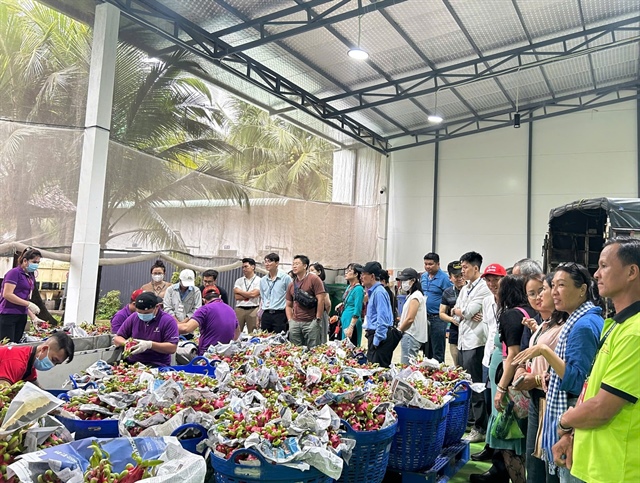
A highlight of the course was the field trip to Vina T&T Group, one of Vietnam’s leading fruit exporters. Participants visited organic grapefruit and coconut farms and observed firsthand the company’s modern processing and packaging operations, certified by rigorous international standards such as BRCGS, GlobalG.A.P., and USDA Organic.
For many, the visit offered more than inspiration – it bridged theory with tangible reality. The story of Vina T&T, from early setbacks to becoming a trusted supplier to the US market, underscored a vital lesson: long-term success in global trade is built on persistence, partnership with farmers, and unwavering commitment to green standards.
|
The GEVA training series marks just the beginning. The project will continue supporting Vietnamese enterprises through incubation and acceleration programmes, offering tailored guidance on applying VSS in practice, building export-oriented brands, and developing sustainable business models.
For participating enterprises, the journey towards green transformation has only just begun. Equipped with new knowledge, tools, and perspectives, they are better positioned to enter global markets – not just as exporters of agricultural goods, but as ambassadors of a sustainable Vietnam.
Vietnam’s deeper integration into global trade through next-generation free trade agreements has opened new opportunities for its agricultural sector. Yet, along with these opportunities come increasingly stringent non-tariff barriers, particularly those tied to environmental protection, labour rights, and traceability.
Markets such as the EU, with its ambitious Green Deal, and the United States and Japan, which demand transparency in production and certification, are raising the bar for exporters worldwide. For Vietnam’s agricultural producers, adapting to these requirements has become a defining factor of survival and competitiveness.
Global consumers today care about product quality but also about how a product is made – whether it respects the environment, ensures fair labour practices, and contributes positively to local communities. This shift presents both a challenge and an opportunity.
For Vietnam’s SMEs, adopting green standards can unlock new markets, entice sustainable investment, and create lasting brand value. But it also demands long-term commitment, innovation, and capacity building.
GEVA directly addresses these needs, serving as a bridge between international sustainability requirements and local business realities.
Vietnam’s agricultural sector stands at a pivotal moment. As global trade pivots towards sustainability, 'greening' is no longer just a moral duty – it is a strategic advantage. The success of initiatives like GEVA demonstrates how targeted training and collaboration between public, private, and academic actors can empower local enterprises to thrive in a rapidly changing world.
With determination, knowledge, and a clear vision, Vietnamese businesses are proving that sustainability and profitability are not opposing goals – but complementary forces driving the country’s next wave of export growth.
| The 'Green Export Acceleration through Voluntary Sustainability Standards (GEVA)' project aims to strengthen the capacity of Vietnamese agricultural enterprises in adopting sustainability practices and meeting international market requirements. The programme supports enterprises through training, incubation, and acceleration activities to promote green and inclusive export growth. |
- 09:00 23/10/2025